

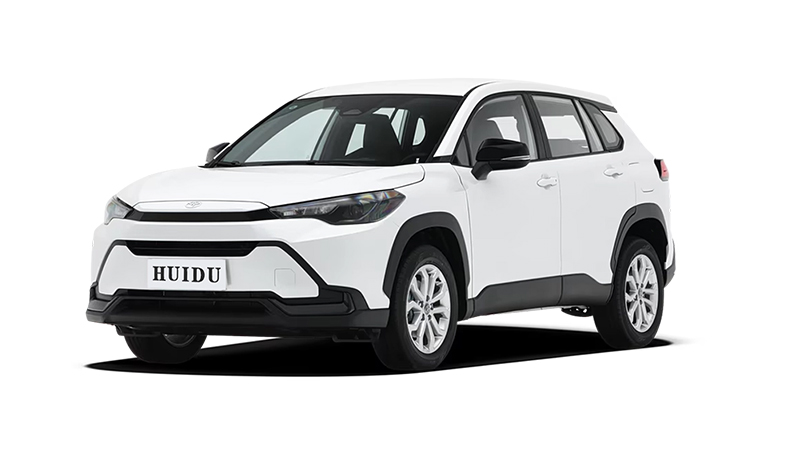
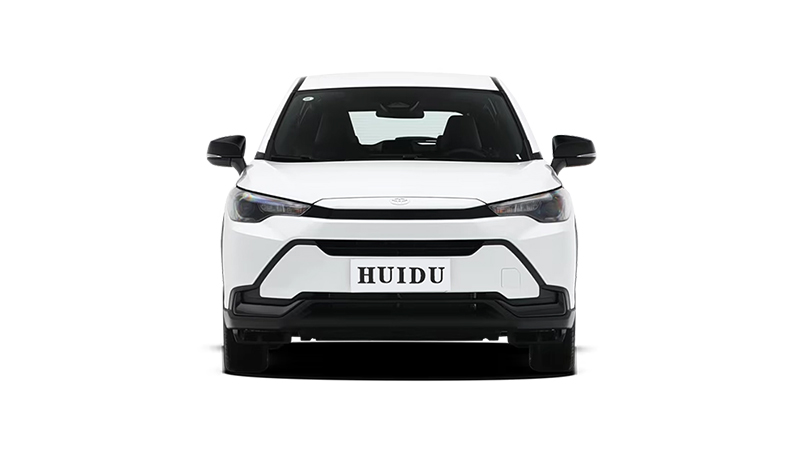
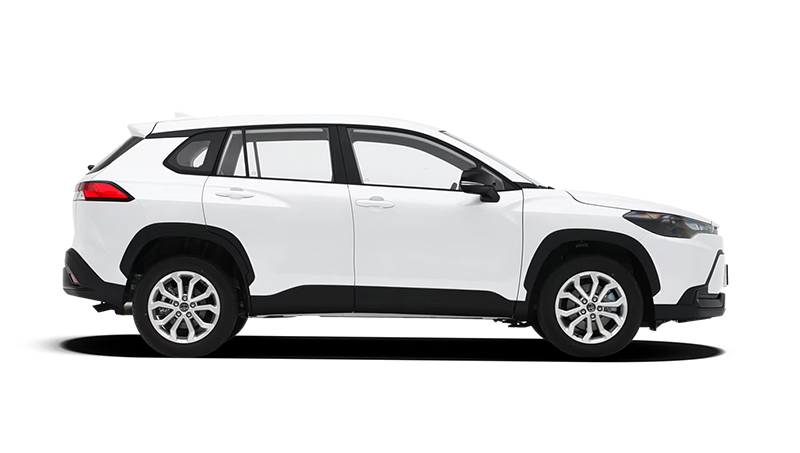
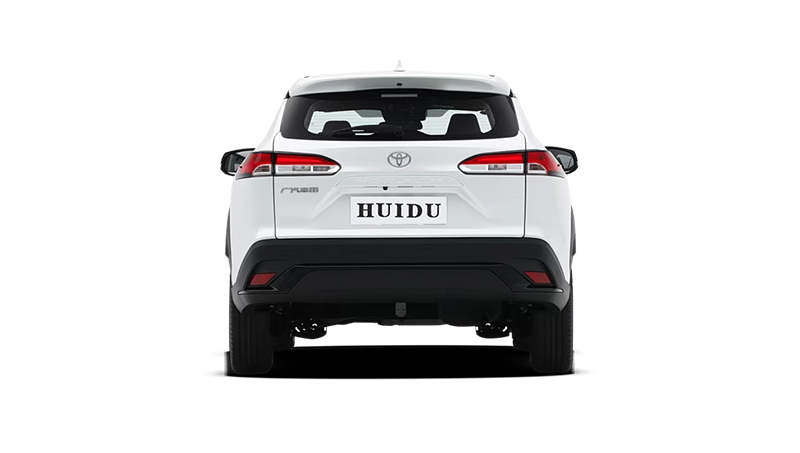
In the 100,000 RMB (approx. US$14,000) compact SUV segment, the Toyota Frontlander is reshaping the market landscape with an unprecedented pricing strategy. The 2026 Toyota Frontlander starts at a refreshed price of just 102,800 RMB, while clearance of older models in some regions has dropped as low as 86,800 RMB – a terminal discount of up to 31%, placing it directly in the stronghold of domestic Chinese brands. This aggressive pricing has quickly turned the (joint-venture) SUV into a must-consider “hit” in its class. According to the China Passenger Car Association (CPCA), the Frontlander sold 174,400 units in 2025, and 15,470 units in March 2026 alone, ranking among the top-selling compact SUVs and leading Japanese-brand models.
On the road, the Toyota Frontlander’s 2.0L naturally aspirated engine (displacement 1,987 mL) delivers a refined, linear character befitting a family vehicle. With maximum output of 126 kW (171 hp) and peak torque of 205 N·m, paired with a CVT that simulates ten gears, power delivery is smooth and progressive. Starts are brisk, making city commuting effortless, while mid-range acceleration remains steady and controlled. It lacks the punch of a turbocharged unit but excels in seamless, jerk‑free driving. The hybrid version features Toyota’s fifth‑generation intelligent electrified dual‑motor system, where the electric motor engages quietly and smoothly, providing even quicker off‑the‑line response.
In contrast, the Changan CS75 PLUS is powered by the next‑generation Blue Core 1.5T turbo engine (displacement 1,494 mL), producing 141 kW (192 hp) and 310 N·m of torque, achieving 0‑100 km/h in just 7.9 seconds. The philosophical divide is clear: the Toyota Frontlander is a “smooth, worry‑free Japanese cruiser for the family,” while the Changan CS75 PLUS is a “light, powerful Chinese overachiever.”
Fuel efficiency: The Toyota Frontlander’s petrol version records a WLTC combined fuel consumption as low as 6.15 L/100 km; the hybrid version drops to an astonishing 4.56‑4.58 L/100 km, running on regular 92 RON gasoline. Some users report that the hybrid can travel more than 500 km on a 200 RMB fill, saving nearly 100 RMB per month in fuel compared to the petrol version. The Changan CS75 PLUS 1.5T records a WLTC figure of about 6.89 L/100 km – still frugal, but the 60,000 RMB price gap gives the Toyota Frontlander a clear long‑term cost advantage.
“In the 100,000 RMB SUV segment, the Toyota Frontlander is undoubtedly the ‘safe choice’ – the combination of build quality, proven reliability, low ownership costs, and an accessible price creates a differentiated challenge to domestic brands.” – SUV Market Analyst
The everyday driving experience of the Toyota Frontlander revolves around one key word: smooth. The steering feels solid, light at low speeds and stable at high speeds, with a turning radius of just 5.2 metres, making U‑turns and narrow alley navigation effortless. The 2.0L petrol version delivers adequate low‑to‑mid range response for daily commuting, pulling away without hesitation, while the CVT ensures seamless progress. The hybrid version is even more responsive off the line, with the electric motor providing quieter, smoother stop‑and‑go city driving.
However, the driving experience is not without compromises. The chassis uses a MacPherson strut front suspension and a torsion beam rear axle. On smooth roads, the suspension absorbs minor imperfections reasonably well. But over large speed bumps or consecutive rough patches, the limitations of the torsion beam become evident: rear passengers experience noticeable jolts and direct impact harshness. By contrast, the Changan CS75 PLUS comes standard with a MacPherson front and multi‑link rear independent suspension. Its chassis tuning is more composed, with far better body motion control over broken pavement, giving it a significant advantage in rear‑seat comfort.
Braking: the Toyota Frontlander records a 100‑0 km/h stopping distance of approximately 37 metres, with ample initial bite and a linear release. The Changan CS75 PLUS achieves a better 36.4 metres, with superior stability and fade resistance. The difference in on‑road refinement once again stems from fundamental hardware differences in suspension design.
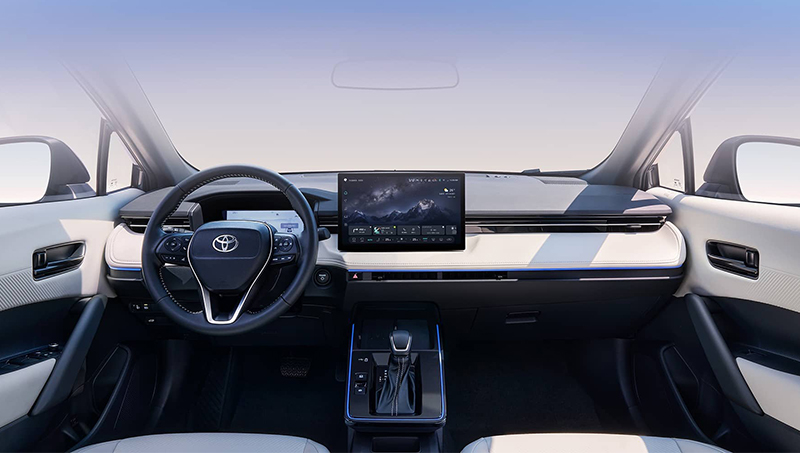
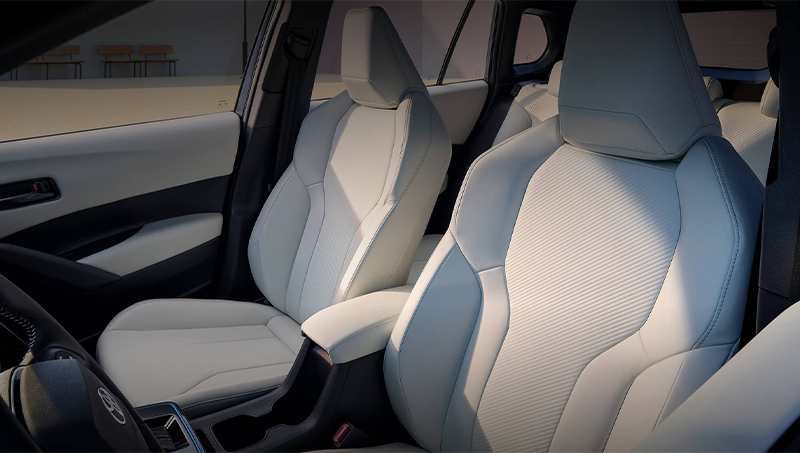
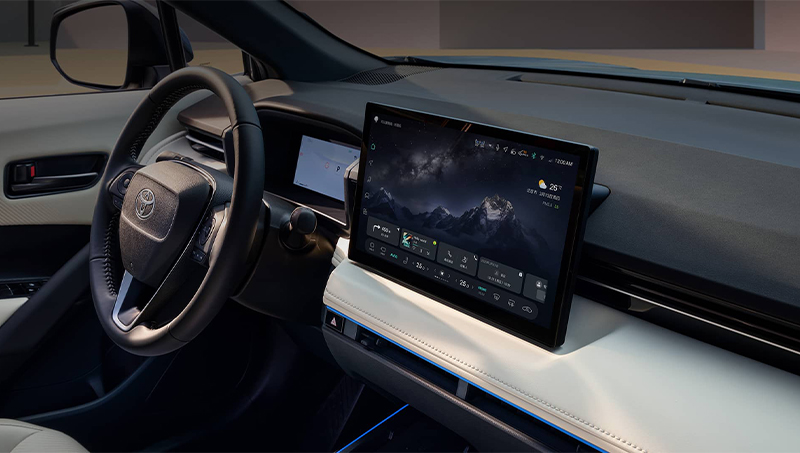
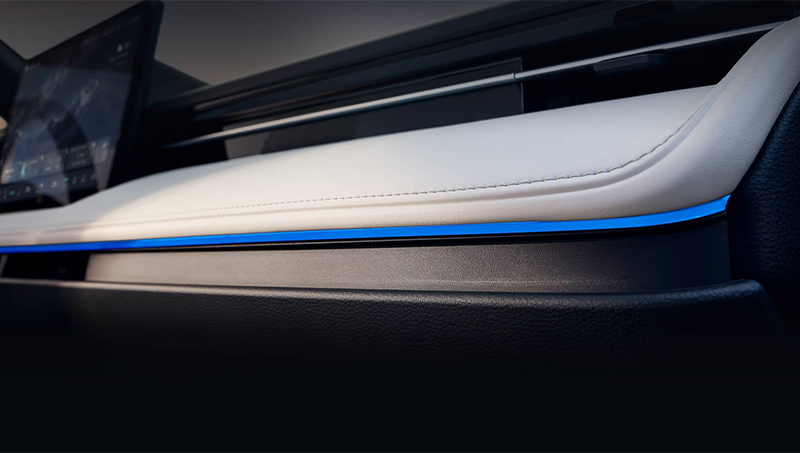
The 2026 Toyota Frontlander’s most significant upgrade is its intelligent cockpit. The new model comes standard with a Qualcomm Snapdragon 8155P chip, while mid‑ and high‑trim variants feature a 12.9‑inch floating central touchscreen and an 8.8‑inch fully digital instrument cluster. It supports dual‑zone voice wake‑up, “see‑and‑say” functionality, an app store, and voice recognition. The previous model’s sluggish and feature‑poor infotainment has been thoroughly addressed. Wireless charging is now standard, and 64‑colour ambient lighting adds a premium feel. Although the interior design remains largely linear, a full‑width air vent and increased soft‑touch materials lift the perceived quality beyond its budget roots.
On the driver assistance front, the Toyota Frontlander comes standard with Toyota Pilot, including full‑speed adaptive cruise control, autonomous emergency braking, lane‑keep assist, lane centering, traffic sign recognition, and eight airbags. In real‑world use, the TSS 3.0 system performs admirably on the highway – adaptive cruise is linear, and lane centering feels like “an invisible coach” subtly adjusting steering. At the 100,000 RMB price point, standard L2 autonomy is rare among rivals.
The Changan CS75 PLUS features a 14.6‑inch central screen and a 10.25‑inch digital cluster, running the Tianshu intelligent OS with DeepSeek large language model integration, and supports full‑ecosystem phone connectivity. It also comes standard with L2 autonomy and a 540‑degree panoramic camera. In absolute feature richness, the Changan CS75 PLUS outmatches the Toyota Frontlander. The Toyota Frontlander’s biggest disappointments are the lack of wireless CarPlay and the fact that base trims still use halogen headlamps, fabric seats, and no reverse camera – highlighting a stark equipment gradient.
“Step inside the Toyota Frontlander’s cabin, and you feel Toyota’s familiar utilitarianism – not flashy, but every function feels intuitive. The Changan CS75 PLUS, by contrast, is like walking into a digital cinema.” – Chief Editor, Drive Control
The Toyota Frontlander is positioned as an entry‑level compact SUV, measuring 4,490 mm long, 1,825 mm wide, 1,625 mm high, with a wheelbase of 2,640 mm. For a passenger 178 cm tall, rear legroom is about one fist of space, and headroom is not oppressive. The rear seats offer adjustable backrest angles, though the range is limited. Cargo volume is 438 litres with the rear seats up, expanding to approximately 1,600 litres with them folded – enough for a stroller or camping gear. Overall, the Toyota Frontlander’s space is “adequate rather than generous” – sufficient for small families, but full loads or long journeys will reveal its limitations compared to the Changan CS75 PLUS.
The Changan CS75 PLUS is 4,770 mm long with a wheelbase of 2,710 mm – nearly 20 cm longer than the Toyota Frontlander. This extra size yields tangible benefits: more generous rear legroom, an almost flat floor, and a completely flat loading surface when the rear seats are folded. Both actual passenger comfort and cargo capacity are clearly superior to the Toyota Frontlander.
1. What kind of vehicle is the Toyota Frontlander?
The Toyota Frontlander is an entry‑level compact SUV built on GAC Toyota’s TNGA‑C platform, targeting the 100,000 RMB family commuter market. Its core selling points are build quality, the hybrid’s ultra‑low fuel consumption, and standard L2 autonomy – aimed at budget‑conscious families seeking reliability and low running costs.
2. What is the Toyota Frontlander’s core competitiveness?
The competitiveness lies in the combination of quality, extreme value‑for‑money, and low ownership costs: (1) a terminal price around 100,000 RMB, erasing the traditional‑domestic price gap; (2) hybrid fuel consumption as low as 4.56 L/100 km on regular 92 RON gasoline, delivering much lower annual running costs than domestic rivals; (3) standard TSS 3.0 and eight airbags – generous safety equipment; (4) Toyota’s reputation for reliability and strong resale value.
3. What are the main differences between the Toyota Frontlander and the CS75 PLUS, and how should one choose?
Powertrain: Toyota Frontlander – 2.0L naturally aspirated + CVT/ECVT, smooth and linear; Changan CS75 PLUS – 1.5T turbo + Aisin 8‑speed automatic, more power and quicker response.
Suspension: Changan CS75 PLUS – multi‑link rear independent suspension, superior ride and comfort; Frontlander – torsion beam rear axle, noticeable rear jolts.
Size and space: Changan CS75 PLUS is longer with a longer wheelbase, offering significantly more rear seat space and cargo capacity.
Smart cockpit: Both use 8155‑class chips, but the Changan CS75 PLUS adds large language model AI, a 540‑degree camera, and more features.
Price: The two overlap heavily at the terminal level, with the Changan CS75 PLUS having a slightly lower entry point, while the Frontlander hybrid is marginally more expensive but saves more fuel.
Choice advice:
Choose the Toyota Frontlander if you prioritise reliability, ultra‑low fuel consumption, minimal running costs, and a worry‑free ownership experience – and if you seldom carry rear passengers.
Choose the Changan CS75 PLUS if you value stronger acceleration, the comfort of independent rear suspension, cutting‑edge smart features, and larger interior space.
User Comments
M50: “The equipment isn’t as low as people say.”
16: “Just add some sound deadening yourself.”
Advanced Search
Recommended Models
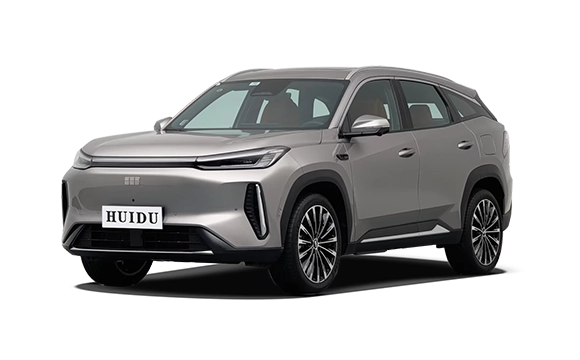
Geely-Galaxy-Geely Galaxy M7
Updated: May,28,2026

Mazda-Mazda EZ-60
Updated: Mar,02,2026

GAC Trumpchi-Trumpchi ES9
Updated: Feb,26,2026
Related News

A pioneering creation in the new energ...
Nov,05,2025
Geely Galaxy M9: Reshaping the Large S...
Nov,06,2025
All trims of the Tang L DM are equippe...
Nov,05,2025
What are your thoughts on this car?
* Required Fields