

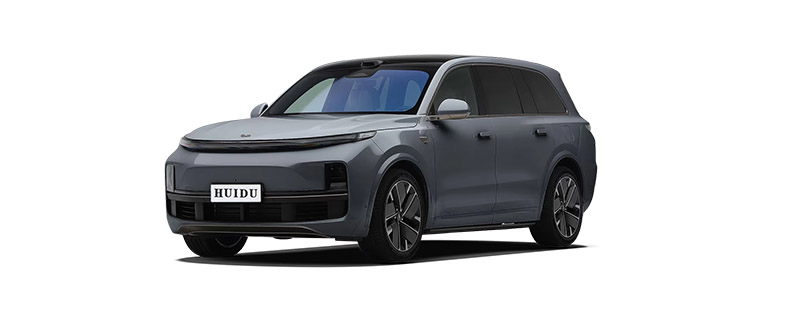
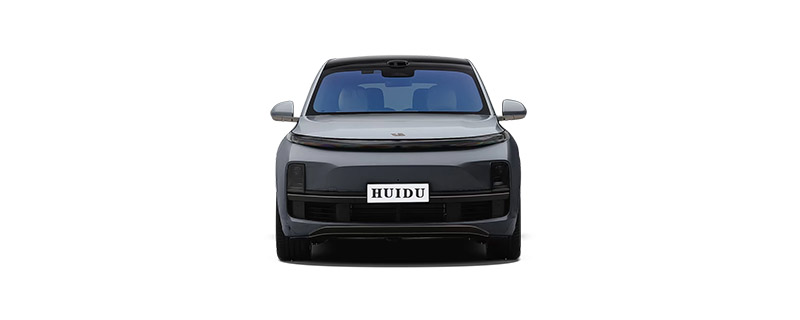
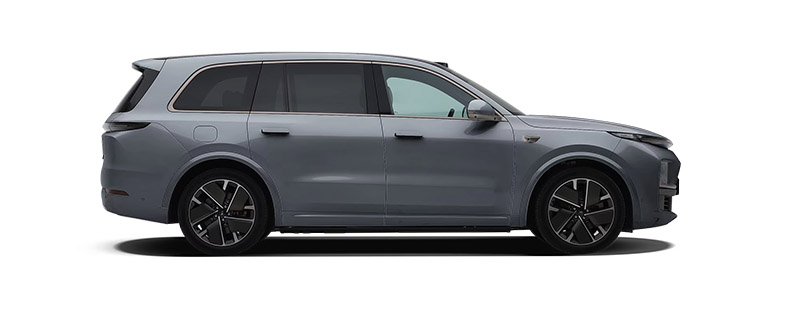
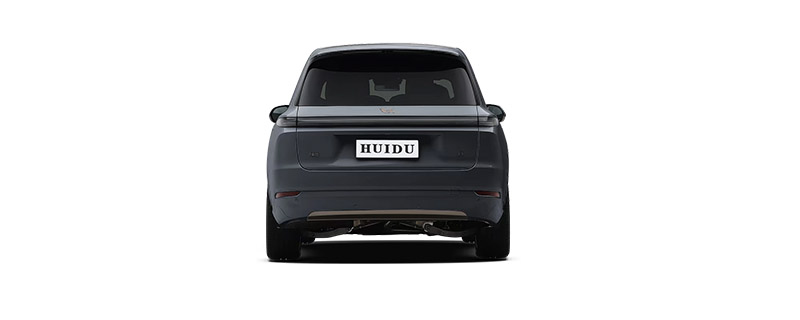
For years, the large SUV segment at the 500,000 RMB price point has been dominated by established overseas luxury brands. Now, the Li L9 has broken through as a full-size range-extended flagship, redefining the ceiling for domestic-brand premium vehicles with a size and space package comparable to million-yuan SUVs, standard dual-chamber dual-valve Magic Carpet air suspension, and an industry-leading smart cabin experience. On the road, the Li L9’s 1.5T four-cylinder range extender (1,496 cc displacement) works in tandem with front and rear electric motors, delivering a combined 330 kW (449 hp) and 620 N·m of torque. The official 0-100 km/h time is 5.18 seconds, but real-world testing shows an even more solid 5.15 seconds, with an 80-120 km/h mid-range sprint of just 3.20 seconds. Strong power delivery persists even above 120 km/h. The accelerator tuning prioritizes smoothness, with a gentle, non-abrupt initial response that unfurls power like a hot knife through butter; a deeper press summons ample torque, allowing this 2.57-ton vehicle to cruise with composed authority.
Its chief rival, the AITO M9 (EREV), employs a 1.5T range extender (1,496 cc) and a dual-motor all-wheel-drive system producing 365 kW (496 hp) and 675 N·m of peak torque, achieving 0-100 km/h in 4.9 seconds. The M9 delivers more immediate power off the line, leaning toward the “light and agile” feel common among new energy vehicles, aiming to dart through city streets with stronger initial punch. In range, the Li L9’s 52.3 kWh battery pack yields 280 km CLTC all-electric range and a combined range of 1,412 km. The AITO M9 comes with either 42 kWh or 52 kWh battery options, offering all-electric ranges of 225 km and 275 km respectively, with a slightly longer combined range. Both solve range anxiety through range-extended architecture, but the Li L9 holds an edge in standard all-electric range.
"In five years, Li Auto has achieved the miracle of delivering 500,000 L9 units. It proves that Chinese brands can compete head-to-head with global giants at the center stage of the luxury car market. This is not a pursuit; it is a true race side by side."— Su Yan, auto industry observer
Settling into the Li L9’s cockpit, the high seating position and panoramic view are natural advantages of this class. The chassis features a double-wishbone front suspension and a five-link rear independent setup. The biggest upgrade for the 2025 model is the standard dual-chamber dual-valve Magic Carpet air suspension, which allows millisecond-level independent adjustment of compression and rebound damping. On city roads, the system filters out minor vibrations with remarkable finesse, and speed bumps are dispatched with crisp, clean suspension action. Compared to the 2022 model (single-chamber single-valve) and the 2024 model (dual-chamber single-valve), the new version shows significantly better roll suppression during 60 km/h emergency lane changes, with noticeably smaller body lean, and a 12% reduction in pitch during acceleration dive and brake dive. The dual-chamber dual-valve setup not only adjusts spring stiffness but also separately controls front-rear pitch and left-right roll, reducing cornering roll by up to 24% and airborne rebound by 19.5%. This heavy, planted feel is what standard dual-chamber air suspension delivers.
For comparison, the AITO M9 rides on Huawei’s Turing chassis, with a four-ball-joint double-wishbone front suspension and a multi-link trapezoidal-arm rear independent suspension, supplemented by CDC variable-damping shock absorbers and a closed-type single-chamber air suspension offering five height-adjustable modes. The Turing chassis’ advantage lies in its lightweight all-aluminum construction and road-preview capability, which actively adjusts damping before reaching rough patches. Still, during high-speed cornering, the single-chamber air suspension’s lateral support cannot match that of the dual-chamber setup.
The Li L9 achieved 74.4 km/h in the latest moose test, thanks to the rapid response of its dual-chamber dual-valve system, with smooth weight transfer and highly effective electronic intervention. The AITO M9 leads with an 82.7 km/h moose test speed and a turning radius of just 5.8 meters, significantly better than the Li L9’s 6.15 meters. The ability to make a U-turn in a narrow alley in a 5.2-meter vehicle comes from the Turing chassis’ rear-wheel steering — a hallmark of the M9’s handling edge.
In braking, the Li L9 uses dual-piston calipers at the front and single-piston at the rear. With precise pitch control from the dual-chamber air suspension, its shortest 100-0 km/h stopping distance is 37.92 meters, with an average of 38.76 meters over ten consecutive stops. The AITO M9 achieves a best dry-land 100-0 km/h braking distance of 36.36 meters, riding on Pirelli P Zero Elect tires (front 265/40 R22, rear 285/40 R22), where the wider tires offer a clear grip advantage.
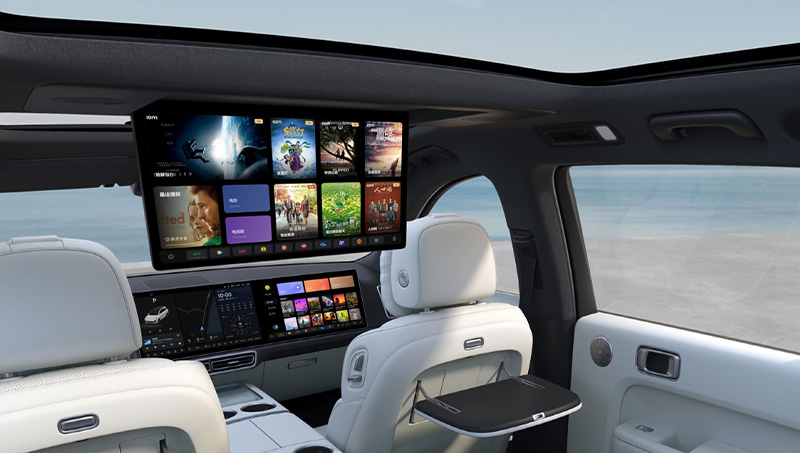
Inside the Li L9, the cabin is built around the “mobile home” concept, powered by a Qualcomm Snapdragon 8295P high-performance chip. The central touchscreen and front passenger entertainment screen are both 15.7-inch 3K OLED panels, while the steering wheel incorporates a 4.82-inch digital instrument display alongside a 13.35-inch high-definition HUD. The Ultra trim’s rear entertainment screen has been significantly upgraded from 15.7 inches (2024 model) to 21.4 inches, with 3K resolution and 800 nits of brightness for daylight visibility, plus Rheinland low-blue-light certification. Soft genuine leather extensively covers the seats, delivering a substantial ride quality. The standard platinum audio system features 21 speakers with Dolby Atmos support. The streaming rearview mirror has been upgraded to 8-megapixel ultra-high-definition, paired with a 120° ultra-wide-angle independent camera.
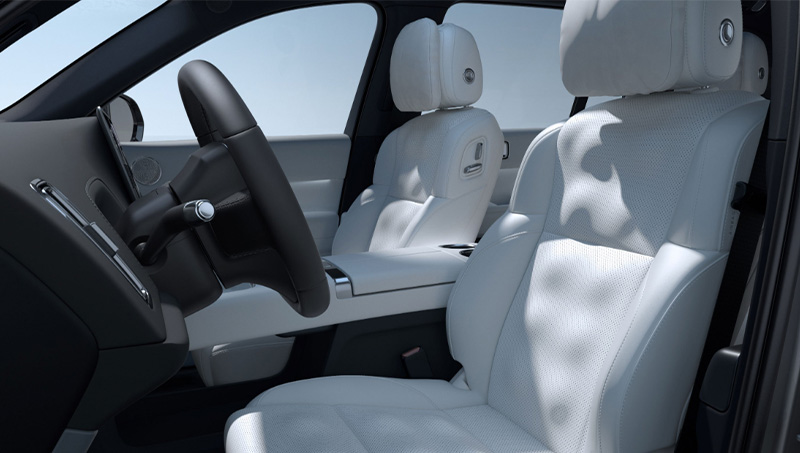
On the smart cockpit front, the voice assistant “Li Xiang Tong Xue” has evolved: a 3D plush avatar can switch forms, semantic understanding is greatly enhanced, it can execute continuous multi-command instructions and accurately interpret vague expressions, and even complete Starbucks orders through the infotainment system. The high-end smart cockpit’s interaction fluency surpasses most luxury brands and EV startups.
The AITO M9 runs Huawei’s HarmonyOS smart cockpit, featuring a 15.6-inch 2.5K central screen, a 16-inch front passenger entertainment screen, a 68-inch AR-HUD, and a rear 32-inch projector screen. Driven by the Kirin 990A chip, the HarmonyOS ecosystem excels at seamless handoffs between phone, car, and home. In autonomous driving, the AITO M9 is equipped with Huawei ADS 2.0 (with some 2025 high-spec trims featuring a 896-line LiDAR), and standard 192-line LiDAR across all trims, enabling full-scenario ADAS including map-free urban NCA and highway NOA. Thanks to its three-layer traffic perception architecture and 192-line LiDAR, the M9 takes a significant lead in urban ADAS maturity, with highly human-like overtaking logic capable of handling mixed pedestrian traffic and complex road conditions.
The Li L9 comes standard with ATL all-weather LiDAR. Its driver-assist chip has been upgraded for the 2025 model year, with the Ultra trim featuring an Nvidia Drive Thor-U chip that enhances algorithm capabilities, supporting basic assisted functions like highway NOA. However, its urban ADAS is still in R&D and testing phases. Here lies a clear gap — the AITO M9 pursues “accessible autonomous driving for all,” while the Li L9 remains a pragmatic player prioritizing “family comfort first, with autonomous driving to follow.”
“When you sit in the Li L9, you feel the cozy reassurance of family warmth. When you sit in the AITO M9, you feel the technological convenience and the shock of all-things-connected brought by the HarmonyOS ecosystem.”— Li Yan, Editor-in-Chief, Driving Control
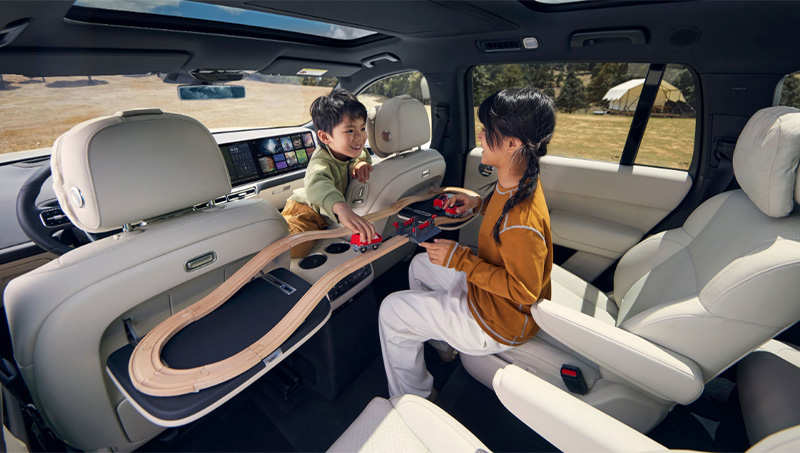
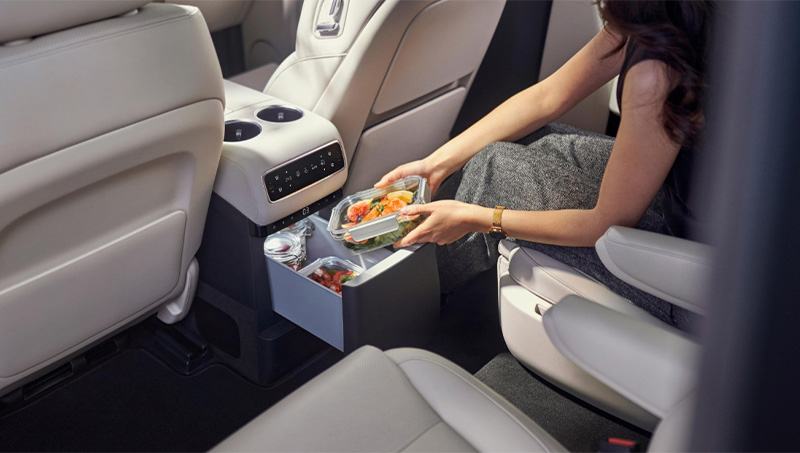
Space is the Li L9’s core moat. With exterior dimensions of 5,218×1,998×1,800 mm and a wheelbase of 3,105 mm, it adopts a 2+2+2 six-seat layout. The over 3.2-meter wheelbase provides ample room for each position across three rows. The walkway between the two independent second-row seats is the widest in its class, making third-row access easy and effortless. Second-row seats feature ventilation, heating, and SPA-grade ten-point massage, while the third row also has heating. The trunk can accommodate multiple carry-on suitcases even with all three rows in place; folding the third row expands capacity to 1,191 liters, forming a vast flat floor. Standard equipment includes a refrigerator (both cooling and heating), dual air-cooled wireless phone chargers, two sunroofs with electric sunshades, and multiple storage compartments and power outlets for each seat.
The AITO M9 is slightly larger — 5,230×1,999×1,800 mm with a wheelbase of 3,110 mm, giving it nearly 20 mm more wheelbase in its class. The six-seat version features independent aviation-style second-row seats with power leg rests and zero-gravity positions, and third-row legroom of 950 mm bests the Li L9’s 805 mm. The trunk measures 316 liters (standard), expanding to 1,252 liters with the third row folded. The Li L9 essentially matches the M9 in core storage and seating comfort, while the AITO M9 holds a slight edge in third-row space. Their competition is a head-to-head clash between “family comfort” and “tech pioneer.” Choosing the Li L9 means you value abundant comfort features, the ultimate family six-seat experience, and a warm brand reputation. Choosing the AITO M9 means you prioritize cutting-edge urban autonomous driving capabilities and a preference for the Huawei HarmonyOS ecosystem.
1. What kind of vehicle is the Li L9?
The Li L9 is Li Auto’s flagship full-size range-extended electric SUV. Its core selling points include six-seat space comparable to million-yuan luxury SUVs, standard dual-chamber dual-valve Magic Carpet air suspension, range-extended zero-anxiety driving, and a family-oriented tech cockpit. It targets multi-person households seeking premium family travel experiences at the 400,000–440,000 RMB price point.
2. What are the Li L9’s core competitive advantages?
Its competitive edge lies in the combination of full-size six-seat space, dual-chamber dual-valve Magic Carpet air suspension, and flagship range-extended experience:
– 5,218 mm length + 3,105 mm wheelbase + six-seat layout, with space rivaling million-yuan luxury SUVs;
– Standard dual-chamber dual-valve Magic Carpet air suspension + CDC, reducing cornering roll by 24% with class-leading vibration isolation;
– Range-extended system offering 280 km CLTC all-electric range and 1,412 km combined range, fully eliminating range anxiety;
– Smart cockpit powered by Snapdragon 8295P chip + 21.4-inch rear screen, with the “fridge, TV, sofa” experience unmatched in its class;
– Starting price of 409,800 RMB, offering clear value advantage over the AITO M9.
3. What are the main differences between the Li L9 and AITO M9, and how to choose?
Dimensions & space: AITO M9 is slightly larger, with 15 mm more wheelbase; Li L9 has a wider second-row walkway, while third-row seats remain comfortable for longer rides.
Powertrain & range: Li L9 delivers smoother takeoff, standard 52.3 kWh battery yields 280 km electric range; AITO M9 has stronger initial punch, 4.9s 0-100 km/h is quicker, high-spec 275 km electric range (optional) matches Li L9.
Chassis & suspension: Li L9 standard dual-chamber dual-valve air suspension offers refined damping and significantly upgraded support; AITO M9 standard CDC + single-chamber air suspension, with lightweight all-aluminum Turing chassis, but suspension adjustability is less comprehensive.
ADAS capability: AITO M9’s Huawei ADS 2.0 supports map-free urban NCA, industry-leading urban ADAS maturity; Li L9’s ADAS mainly focuses on highway NOA, with urban ADAS still in testing.
Luxury & comfort: Li L9 standard includes 52.3 kWh battery, heated/ventilated/massage front seats, 21.4-inch rear screen, and overall advantage in suspension and entertainment features; AITO M9 requires optional packages for comparable features at the same price.
Pricing: Li L9 has a lower entry price (409,800 RMB vs. 469,800 RMB), offering stronger value.
Recommendation:
Choose the Li L9 if you prioritize a six-seat space where every family member can ride in comfort, class-leading chassis quality, and the high value of standard equipment.
Choose the AITO M9 if you value the Huawei HarmonyOS ecosystem, urban high-level autonomous driving, and sharper handling agility, with a higher budget.
4. How is fuel economy and reliability?
The Li L9 has a minimum state-of-charge fuel consumption of approximately 7.23 L/100 km, using 95-octane gasoline. Since the Li ONE, the L-series has accumulated over 800,000 deliveries. The Li L9 has become the most market-proven and widely trusted flagship in China’s 500,000 RMB full-size SUV segment.
User Comment
918: Way ahead, way ahead.
Advanced Search
Recommended Models
Geely-Galaxy-Geely Galaxy M7
Updated: May,22,2026

Mazda-Mazda EZ-60
Updated: Mar,02,2026

GAC Trumpchi-Trumpchi ES9
Updated: Feb,26,2026
Related News
A pioneering creation in the new energ...
Nov,05,2025
Geely Galaxy M9: Reshaping the Large S...
Nov,06,2025
All trims of the Tang L DM are equippe...
Nov,05,2025
What are your thoughts on this car?
* Required Fields