

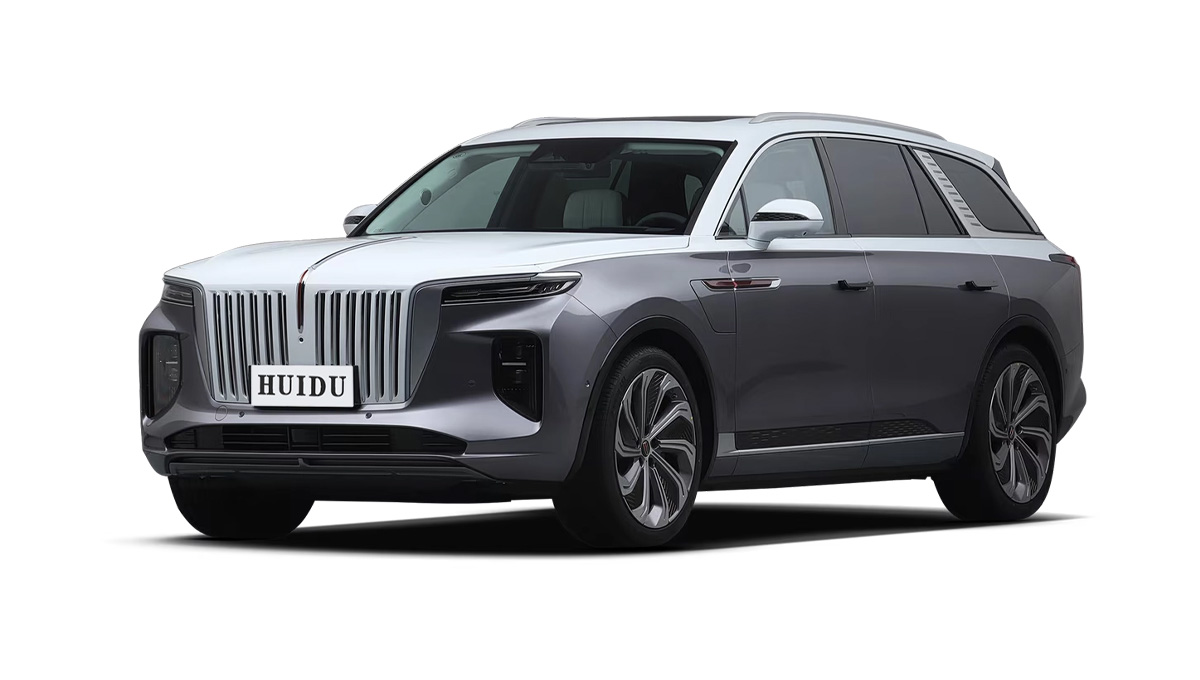
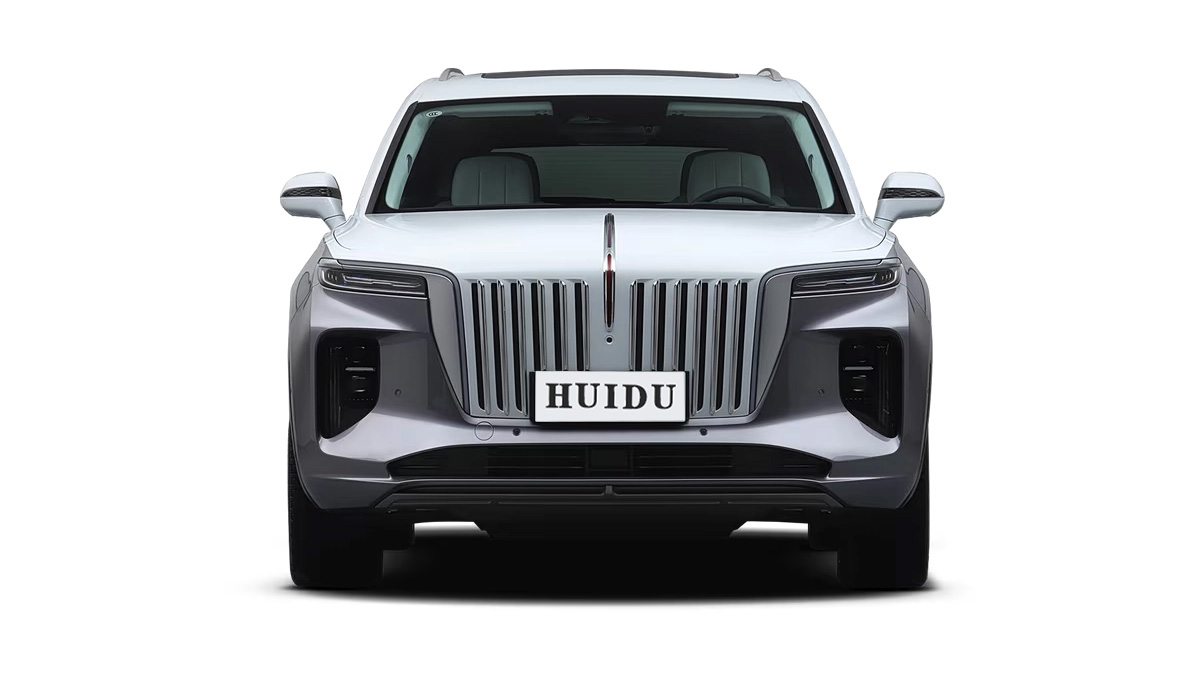
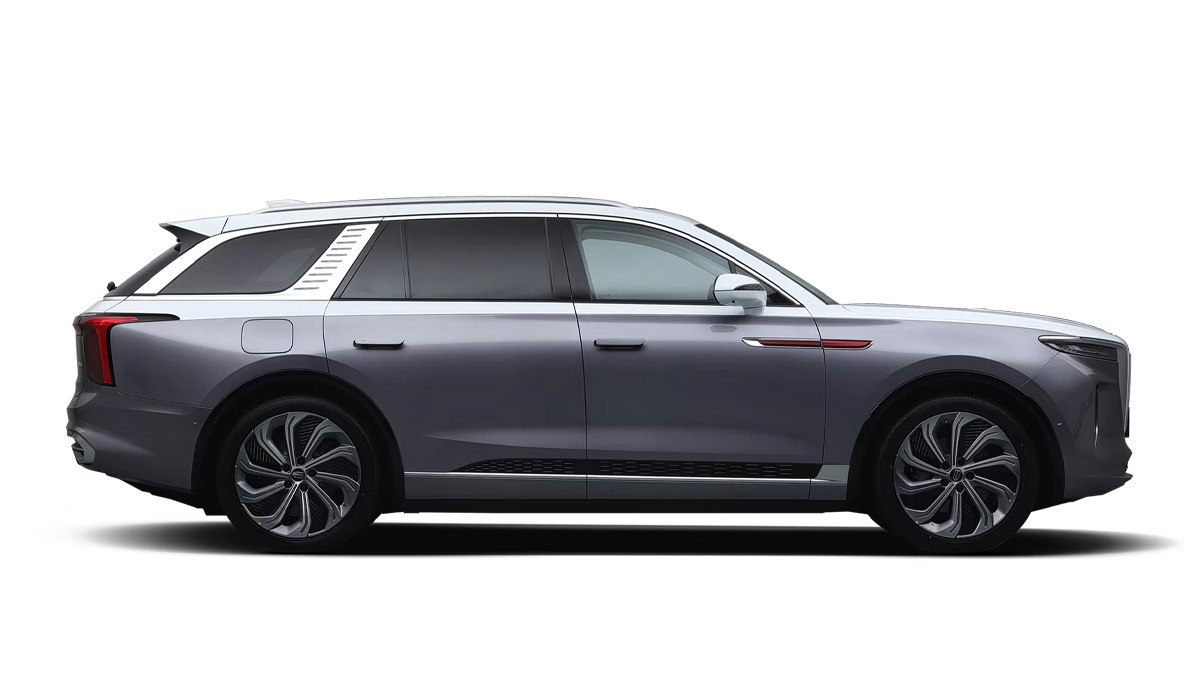
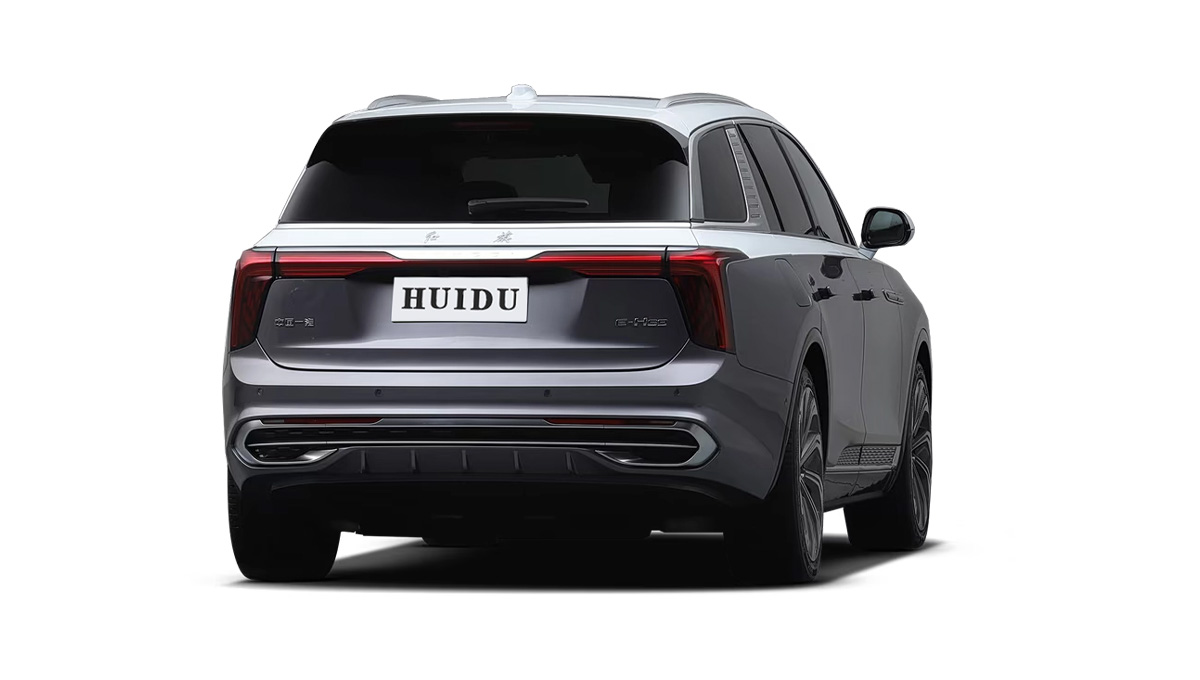
In real-world driving scenarios, the Jetour X70 exhibits a level of chassis tuning maturity that belies its price tag. Powered by a 1.6T turbocharged engine (1598cc, 145kW max power, 290N·m peak torque), the vehicle avoids the abrupt "lunge" often associated with small-displacement turbo units. Its throttle response is gentle in the initial phase.
This "unruffled" character stands in contrast to the Chery Tiggo 8. While the Tiggo 8 utilizes the same powertrain, its tuning prioritizes agility, making it feel more "planted" for urban commuting. The Jetour X70, conversely, emphasizes smoothness and controllability. Power delivery truly surges only after 2,000 rpm, instilling confidence during mid-range overtaking. While acceleration tapers off slightly in the upper register (100-120km/h), overall performance remains above the segment average.
Braking performance is a standout; the Jetour X70 records a 100-0km/h stopping distance of 38.5 meters, outperforming the Tiggo 8’s 39.2 meters and demonstrating superior thermal stability. High-spec models roll on 255/45 R20 tires, offering excellent grip and visual presence compared to the Tiggo 8's economy-focused 235/55 R18 setup.
Urban & Highway Performance
The Jetour X70’s suspension architecture—MacPherson struts up front and a multi-link independent setup at the rear—shines in urban environments. It filters out fine road imperfections with impressive thoroughness. While it may not achieve the "sponge-like" isolation of a premium E-HS9, it is exemplary for its class. Traversing speed bumps reveals a composed suspension action with minimal body oscillation.
By comparison, the Tiggo 8 features a firmer tune that transmits more road feedback and offers stronger cornering support, albeit at the expense of comfort. At highway cruising speeds, the Jetour X70’s NVH (Noise, Vibration, and Harshness) performance is adequate; wind noise becomes noticeable past 100km/h, though engine insulation remains effective.
Handling Philosophy
Steering feel is moderate with a degree of dead zone, and the steering ratio is on the larger side, resulting in a less agile front-end response typical of family SUVs. Fast cornering induces noticeable body roll, yet it remains progressive and manageable. The independent suspension provides more lateral support confidence than the Tiggo 8. Ultimately, the X70 prioritizes stability, whereas the Tiggo 8 leans towards agility. Both feature Bosch ESP, but the X70’s linear brake modulation makes it easier to control in daily driving.
"Driving the Jetour X70, one feels not passion, but a carefully curated sense of security. It redefines the ride quality of a budget family SUV through smooth power, a solid chassis, and reliable braking. It is a pragmatic yet warm expression of value."— Liu Zhiyuan, Editor-in-Chief, Family Car Review
Stepping into the cabin, the high seating position offers a commanding view of the road. The seats are broad and plush; while the faux leather is decent, higher trims add power adjustment and heating. In contrast, the Tiggo 8 focuses more on bolstering and material finesse.
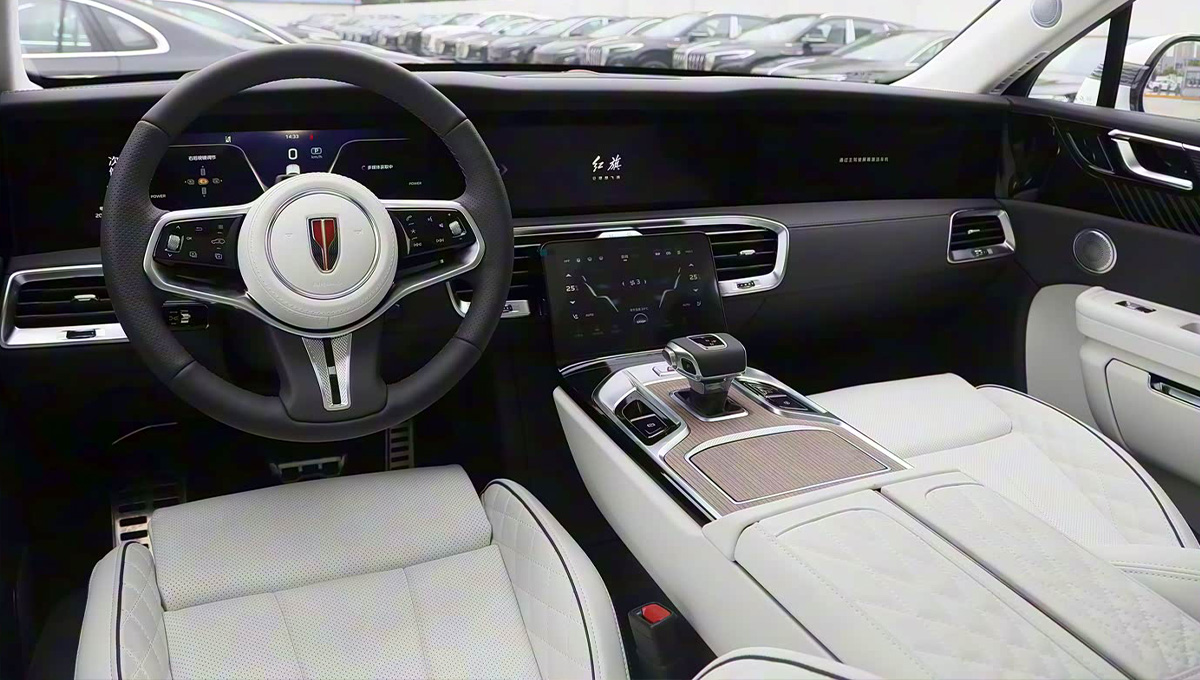
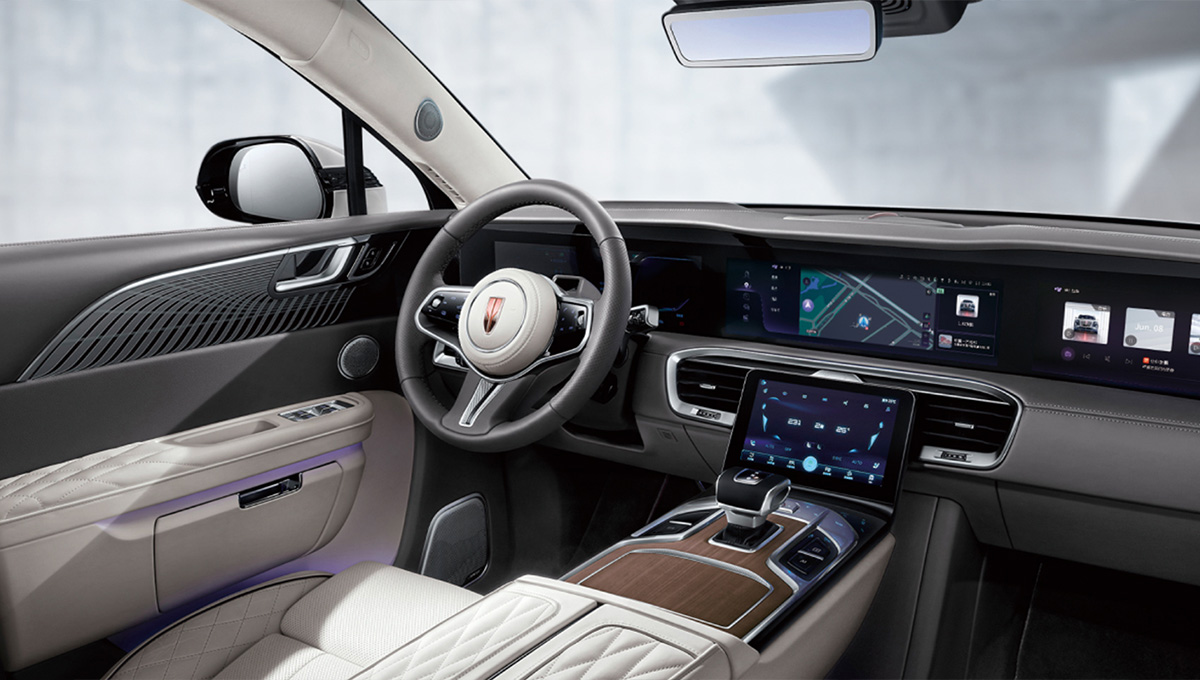
The interior design language is defined by simplicity and utility. High-spec models boast a dual 12.3-inch integrated screen setup, elevating the tech quotient. Soft-touch materials cover a significant portion of the dashboard, accented by neat stitching. While the Tiggo 8 adopts a more youthful, layered aesthetic, the Jetour X70 maintains a steady atmosphere. Visibility is excellent thanks to reasonable A-pillar design and large mirrors, with 360° panoramic imaging available on top trims to aid parking.
Space utilization is the Jetour X70’s trump card. With dimensions of 4749/1900/1720mm and a wheelbase of 2745mm, it offers 5, 6, and 7-seat configurations. While the third row is best suited for emergencies or children, folding it down expands cargo capacity to a massive 1,680L.
Comparatively, the Tiggo 8 offers slightly better third-row headroom but falls short in maximum cargo volume (1,630L). Storage solutions in the X70 are well-thought-out, featuring ample door bins and a wireless charging pad, though the Tiggo 8 edges it out with more detailed storage nooks like limited cupholders.
"The rear cabin of the Jetour X70, particularly in the 7-seater configuration, transcends the typical family SUV. It acts as a mobile 'family lounge.' The atmosphere of utility, flexibility, and affordability it creates is something the Tiggo 8 cannot fully replicate."— Wang Rui, Editor-in-Chief, SUV Home
Built on a high-strength cage body with up to 6 airbags, the Jetour X70 delivers solid passive safety. The Tiggo 8, however, offers a richer suite of active safety features like AEB and Lane Keep Assist.
"The comparison between the Jetour X70 and Tiggo 8 mirrors Chery Group's dual strategy in the 100k RMB SUV market: one champions extreme space and value, while the other emphasizes balanced texture and tech. Their coexistence marks the maturity of Chinese domestic SUVs."— Gao Tian, Auto Industry Analyst
1. What is the Jetour X70?
The Jetour X70 is a mid-size SUV under the Jetour brand (Chery Holding). It targets families requiring large space, offering 5/6/7-seat layouts as a high value-for-money "people's vehicle."
2. What is its core competitiveness?
Its core competitiveness lies in its rare combination of massive space, a mature 1.6T+7DCT powertrain, independent rear suspension, and class-leading braking performance (38.5m) at its price point.
3. Jetour X70 vs. Chery Tiggo 8: How to choose?
The Jetour X70 is the choice for Pragmatists—those on a budget with a strict need for third-row space. The Tiggo 8 is for Balanced Seekers—those who prioritize driving dynamics, interior refinement, and smart tech. It is essentially a choice between "Utilitarianism" and "Equilibrium."
User Comments
User 'tu': "The space in the X70L is absolutely insane. With a length of 4810mm and a 2820mm wheelbase, even the seven-seat layout isn't cramped. For friends who love road trips, don't miss the X70L. The huge trunk can hold all your gear and even transform into a 'bed mode' instantly."
User 'kang': "Everything else is good, but there are simply too few physical buttons on the center console."
Advanced Search
Recommended Models
Geely-Galaxy-Geely Galaxy M7
Updated: May,28,2026

Mazda-Mazda EZ-60
Updated: Mar,02,2026

GAC Trumpchi-Trumpchi ES9
Updated: Feb,26,2026
Related News
A pioneering creation in the new energ...
Nov,05,2025
Geely Galaxy M9: Reshaping the Large S...
Nov,06,2025
All trims of the Tang L DM are equippe...
Nov,05,2025
What are your thoughts on this car?
* Required Fields