

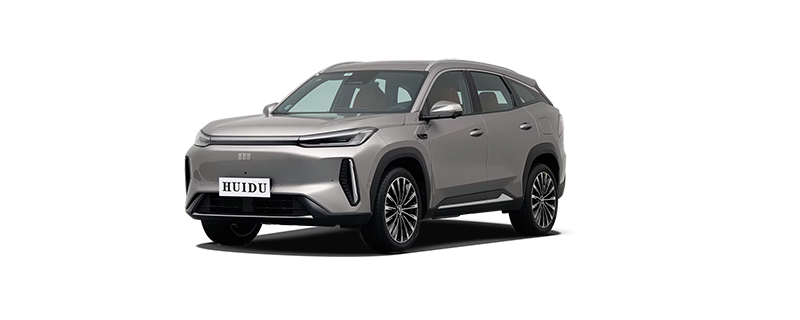
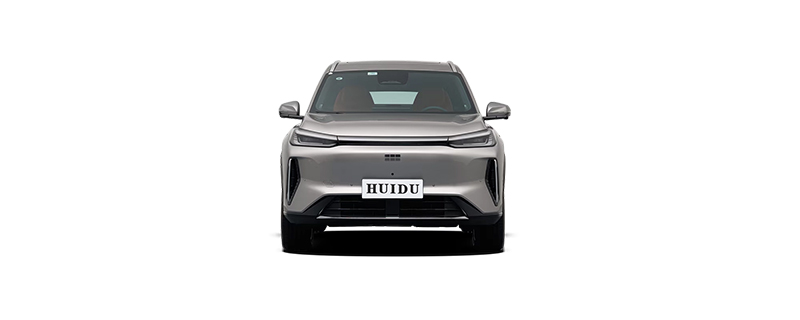
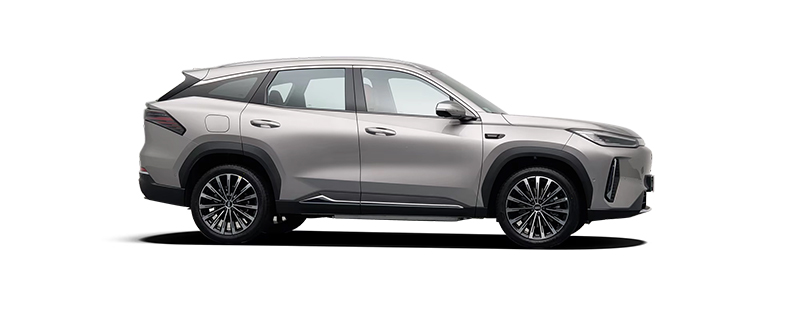
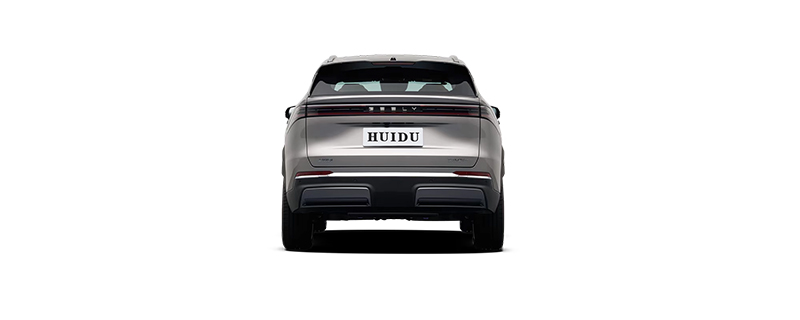
In the 100,000–150,000 RMB plug‑in hybrid SUV segment, the BYD Song Pro DM‑i has built a solid market moat through its first‑mover advantage. With the “battle of the two Song models” already heating up, the Geely Galaxy M7 enters the arena as a “value reconstructor.” It aims to redefine the value benchmark of a 100,000‑yuan class family PHEV SUV by offering 225 km of standard pure‑electric range across all trims, standard highway NOA, and the Flyme Auto smart cockpit at a starting price of around 130,000 RMB. On the road, the Geely Galaxy M7’s Thor AI Electric‑Hybrid 2.0 system displays a composure that befits its family‑sedan positioning. The 1.5L high‑efficiency electric‑hybrid dedicated engine (1,497 mL displacement) works with a front single motor. The engine produces 82 kW maximum power with a thermal efficiency of up to 47.26%, while the drive motor delivers 175 kW max power and 262 N·m peak torque. The power delivery is smooth and linear – the throttle responds gently at the initial stage, unfurling power like silk. When the pedal is pushed deeper, the motor and engine work in concert, making this family SUV equally adept at city cruising and highway driving. The official 0‑100 km/h acceleration time is 7.7 seconds, which is more than sufficient for household users.
By contrast, the Deepal S05 EREV (range‑extender) is powered by a 1.5L naturally aspirated engine (1,497 mL) combined with a rear single motor also rated at 175 kW, achieving a 0‑100 km/h time of 7.5 seconds. The two vehicles have highly similar powertrain figures but very different characters: as a plug‑in hybrid, the Geely Galaxy M7 exhibits a “calm and unhurried” smoothness across all operating conditions, making it better suited for families who prioritise a quiet, seamless ride. The Deepal S05, being a pure rear‑wheel‑drive electric‑oriented vehicle, delivers more immediate motor response and a stronger sense of push‑in‑the‑back, appealing to younger drivers who seek driving character. In terms of range, the Geely Galaxy M7 comes standard with a 29.8 kWh Aegis Gold Brick battery, offering a CLTC pure‑electric range of 225 km and a combined range of up to 1,730 km. Fast charging from 30% to 80% takes only 15 minutes, and the fuel consumption in depleted battery mode is as low as 3.35 L/100 km. The Deepal S05 EREV carries a 28.39 kWh battery, with a CLTC electric range of 215 km and a combined range of 1,310 km. The Geely Galaxy M7’s comprehensive advantage in range metrics genuinely makes the family travel ideal of “no charging needed for a week of city commuting, and effortless long‑distance travel on a single tank of fuel” a reality.
“With a starting price of 109,800 yuan, 225 km of all‑electric range, and standard intelligent driving across the board, the Geely Galaxy M7 has effectively raised the entry threshold for mainstream family plug‑in hybrid SUVs by two notches. It is not chasing the benchmark – it is redrawing the benchmark.” — Su Yan, automotive industry observer
The Geely Galaxy M7’s chassis character is deeply impressive. Built on the GEA Evo global intelligent new‑energy architecture, it comes standard with adaptive damping suspension that can adjust damping firmness in milliseconds according to road conditions. With 50 soft‑connection points throughout the vehicle, rough road vibration is reduced by 11.2% and bumpy road stability is improved by 8.3%. The chassis, jointly tuned by engineers from multiple countries and augmented by AI virtual tuning that simulates more than 200 typical road scenarios and more than 3,000 virtual iterations, achieves a moose test result of 81 km/h – a remarkable figure for any SUV in this price bracket. Whether dealing with small urban bumps or sustained impacts on rough rural roads, the Geely Galaxy M7 absorbs vibrations with a supple, non‑loose refinement. The adaptive damping strikes an excellent balance between comfort and support, with well‑controlled body roll during fast cornering and a planted, substantial feel during high‑speed cruising. The overall chassis quality approaches that of joint‑venture models a half‑class higher.
The Deepal S05 EREV employs a front MacPherson, rear five‑link independent suspension. Its rear‑motor, rear‑wheel‑drive layout provides better rear‑end tracking and more agile cornering. However, in terms of vibration absorption finesse and high‑speed cruising solidity, there is a perceptible gap compared with the Geely Galaxy M7. The Deepal S05’s chassis tuning leans toward a “direct, EV‑like” character, with sharp and clear road feedback – a sportier approach. The Geely Galaxy M7, in contrast, opts for a safer “balanced family‑oriented” tuning.
For braking, the Geely Galaxy M7 is equipped with Bosch One‑Box braking system, large Italian ITT brake pads, and 20‑inch Goodyear tyres, complemented by CST Comfort Braking 2.0. Measured 100‑0 km/h braking distance is just 35.6 metres, putting it at the front of its price segment. The Deepal S05 uses ventilated front disc brakes and solid rear discs with 225/60 R18 tyres, showing a certain gap in braking hardware specifications and real‑world performance when compared with the Geely Galaxy M7.
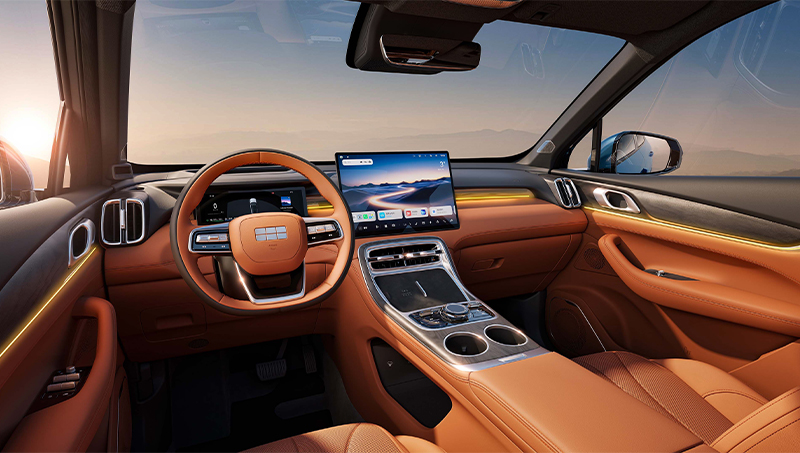
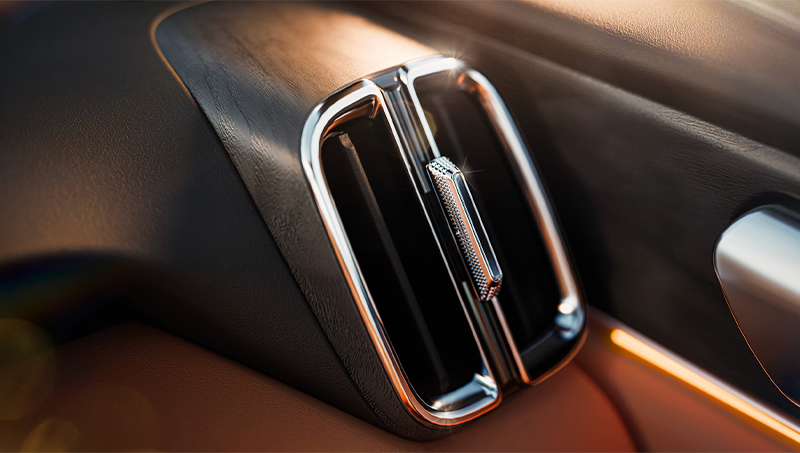
Stepping inside the Geely Galaxy M7’s cabin, the 15.4‑inch 2.5K floating central touchscreen and 10.2‑inch full‑LCD instrument panel complement each other, while the higher trim adds a 25.6‑inch AR‑HUD head‑up display. The Galaxy Flyme Auto 2 smart cockpit system debuts on this flagship SUV, powered by a domestic 7nm automotive‑grade “Dragon Eagle No.1” cockpit chip that integrates 8.8 billion transistors, paired with 16GB of RAM and 128GB of storage. It delivers 8 TOPS of NPU computing power and 100K DMIPS of CPU performance, ensuring seamless multitasking. The card‑based interface and “double‑size flexible small window” function make the interaction logic feel extremely close to a smartphone, allowing even the elderly and children to quickly become proficient. The 23‑speaker Flyme Sound “Boundless Sound” system features a 2,000W independent amplifier and 7.1.4 panoramic surround sound. Combined with dual‑layer acoustic laminated glass in the front, the Geely Galaxy M7 provides a level of immersive cabin experience that surpasses its class, whether for music enjoyment on the daily commute or an in‑car audio‑visual party during a family trip.
The Deepal S05’s smart cockpit runs on a Qualcomm Snapdragon 8155 chip and the Deepal OS system, fully integrating the DeepSeek R1 large model to provide AI chat and other interactive experiences. The 15.4‑inch central screen and AR‑HUD combination also deliver a sense of technology. However, in terms of UI design, audio system specifications, and overall luxury ambience, there is a palpable generational gap between the Deepal S05 and the Geely Galaxy M7.
On the intelligent driving assistance front, the Geely Galaxy M7 comes standard with the Qianli Haohan H3 intelligent driving solution, equipped with a 128 TOPS computing platform – a rarity in the 100,000‑yuan plug‑in hybrid SUV segment. Highway and urban expressway NOA functions are covered across the board, including automatic lane changing and overtaking, on‑ramp/off‑ramp navigation, and construction‑zone avoidance. The full‑scene parking assist recognises more than 300 parking space types, including dead‑end parking and narrow space parking, while AEB emergency braking works at speeds up to 120 km/h. The Deepal S05 comes standard with Deepal AD PRO driving assistance, offering Level 2 functions such as full‑speed adaptive cruise control. However, higher‑level features like highway pilot assist are not universally available due to hardware limitations. The gap in intelligence levels precisely reflects the two brands’ different product strategies – the Geely Galaxy M7 delivers a “standard high‑spec” intelligent driving package as a disruptive move, while the Deepal S05 still follows a traditional tiered release approach.
“When you sit in the Geely Galaxy M7’s cabin, you don’t feel the compromises you’d expect from a 100,000‑yuan SUV; instead, you feel a technological sincerity that exceeds expectations for a mainstream family car. The Deepal S05, on the other hand, is more like a pure driving‑focused companion.” — Li Yan, Editor‑in‑Chief, Driving Control
As a “family‑oriented” PHEV SUV, the Galaxy M7’s approach to space reflects Geely’s deep understanding of family users’ needs. With exterior dimensions of 4,770×1,905×1,685 mm and a wheelbase of 2,785 mm, the rear floor is completely flat, comfortably accommodating three passengers. A class‑leading 88% space efficiency makes the most of every millimetre of wheelbase and width. Rear legroom is generous, and headroom is not compromised by the fastback roofline, ensuring long‑distance comfort. The boot offers a standard 700 litres of cargo space, expanding to 1,990 litres with the rear seats folded. Under the boot floor is an additional 128‑litre hidden storage compartment, and there are 30 flexible storage spaces throughout the vehicle. Whether for a weekend supermarket run or a long family road trip, the loading capacity is more than ample.
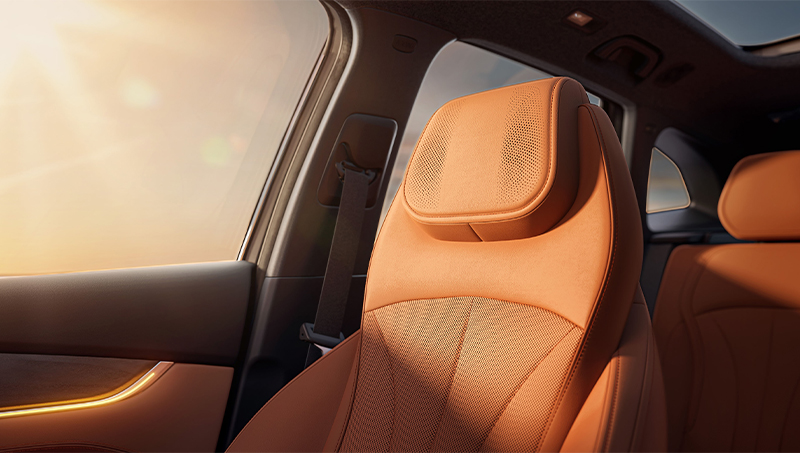
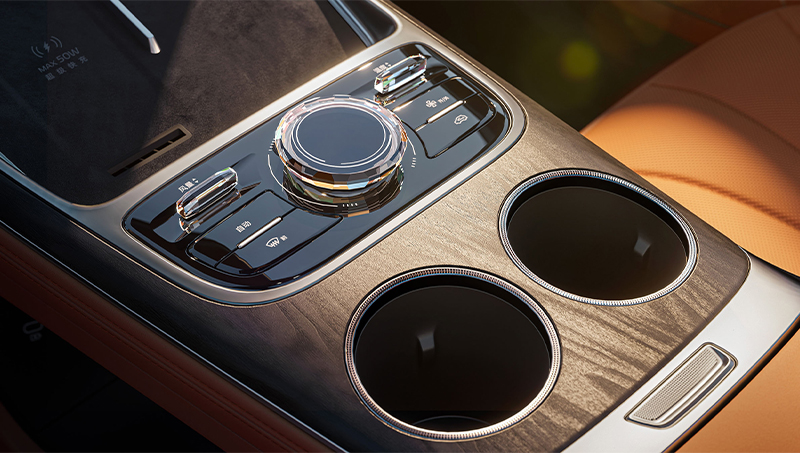
The Deepal S05 measures 4,620×1,900×1,600 mm with a wheelbase of 2,880 mm. It roughly matches the Geely Galaxy M7 in longitudinal space, but its standard boot volume is 492 litres, and its expanded capacity does not cover family multi‑scenario loading as thoroughly as the Geely Galaxy M7. The Geely Galaxy M7’s ten‑layer “cotton candy” seats come standard with ventilation, heating, and massage functions in the front row. Together with details such as the crystal knob and 256‑colour AI rhythmic ambient lighting, the cabin delivers a more premium feel on top of the “fatigue‑free for long rides” base.
1. What kind of vehicle is the Geely Galaxy M7?
The Geely Galaxy M7 is an all‑new compact plug‑in hybrid SUV launched by Geely Galaxy on April 28, 2026. Its core selling points are standard 225 km pure‑electric range across all trims, standard highway NOA, and the Flyme Auto 2 smart cockpit. It targets family users in the 100,000–140,000 RMB range who seek long range, high specifications, and quality.
2. What are the Geely Galaxy M7’s core competitive strengths?
The key competitive strengths lie in the combination of 225 km standard pure‑electric range + standard high‑level intelligent driving + a starting price of around 100,000 RMB:
CLTC pure‑electric range of 225 km and combined range of 1,730 km – leading in its class.
Standard Qianli Haohan H3 intelligent driving solution across all trims, including highway NOA and full‑scene parking assist.
Dragon Eagle No.1 chip + Flyme Auto 2 infotainment + 23‑speaker sound system – a leapfrog smart cockpit.
88% space efficiency + 700‑litre boot – maximum practical space.
Time‑limited starting price of 109,800 RMB – outstanding value for money.
3. What are the main differences between the Geely Galaxy M7 and the Deepal S05, and how should buyers choose?
Powertrain type: The Geely Galaxy M7 is a plug‑in hybrid, offering smoothness and fuel efficiency under all conditions. The Deepal S05 is a range‑extender EV with rear‑wheel drive, delivering more direct power delivery.
Range: The Geely Galaxy M7 leads comprehensively with 225 km electric / 1,730 km combined vs the Deepal S05’s 215 km electric / 1,310 km combined.
Smart cockpit: The Geely Galaxy M7’s Flyme Auto 2 + 23‑speaker + Dragon Eagle No.1 chip is a generation ahead in both hardware and software. The Deepal S05’s 8155 chip + Deepal OS is smooth and stable but lacks the same ecosystem depth.
Intelligent driving: The Geely Galaxy M7 comes standard with Qianli Haohan H3 (highway NOA + full‑scene parking). The Deepal S05 comes standard with Level 2 driving assistance.
Price: The Geely Galaxy M7 has a lower entry price (109,800 vs 129,800 RMB) and a clear configuration advantage at equivalent price points.
Choice advice:
Choose the Geely Galaxy M7 if you prioritise long range, high‑level intelligent driving, smart cockpit experience, and exceptional value.
Choose the Deepal S05 if you prefer pure rear‑wheel drive driving pleasure, range‑extender anxiety‑free travel, and have a tighter budget.
User Comments
3475: “It would be ideal if it were rear‑wheel drive.”
1Lo: “Geely’s M series is positioned a notch higher, with solid materials. The Aegis Gold Brick battery and Qianli Haohan system are on board, making it clearly a class above 100,000‑yuan vehicles.”
Advanced Search
Recommended Models
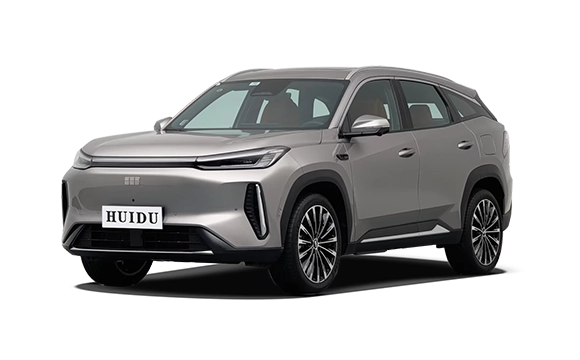
Geely-Galaxy-Geely Galaxy M7
Updated: May,22,2026

Mazda-Mazda EZ-60
Updated: Mar,02,2026

GAC Trumpchi-Trumpchi ES9
Updated: Feb,26,2026
Related News
A pioneering creation in the new energ...
Nov,05,2025
Geely Galaxy M9: Reshaping the Large S...
Nov,06,2025
All trims of the Tang L DM are equippe...
Nov,05,2025
What are your thoughts on this car?
* Required Fields