

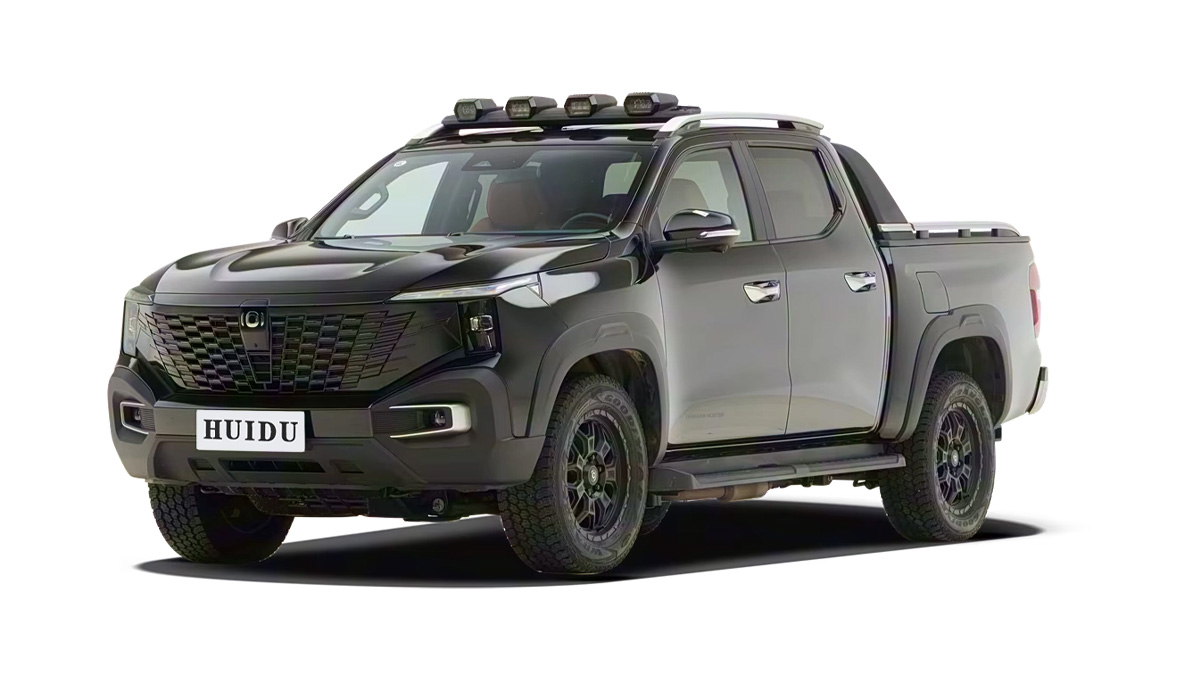
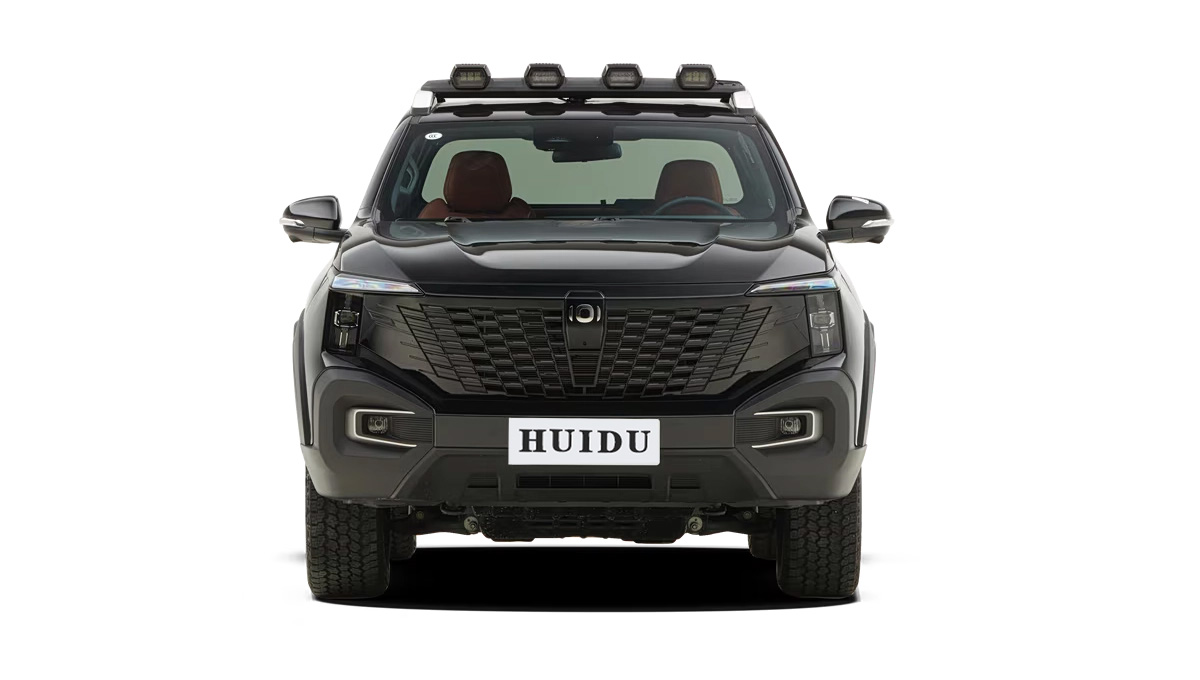
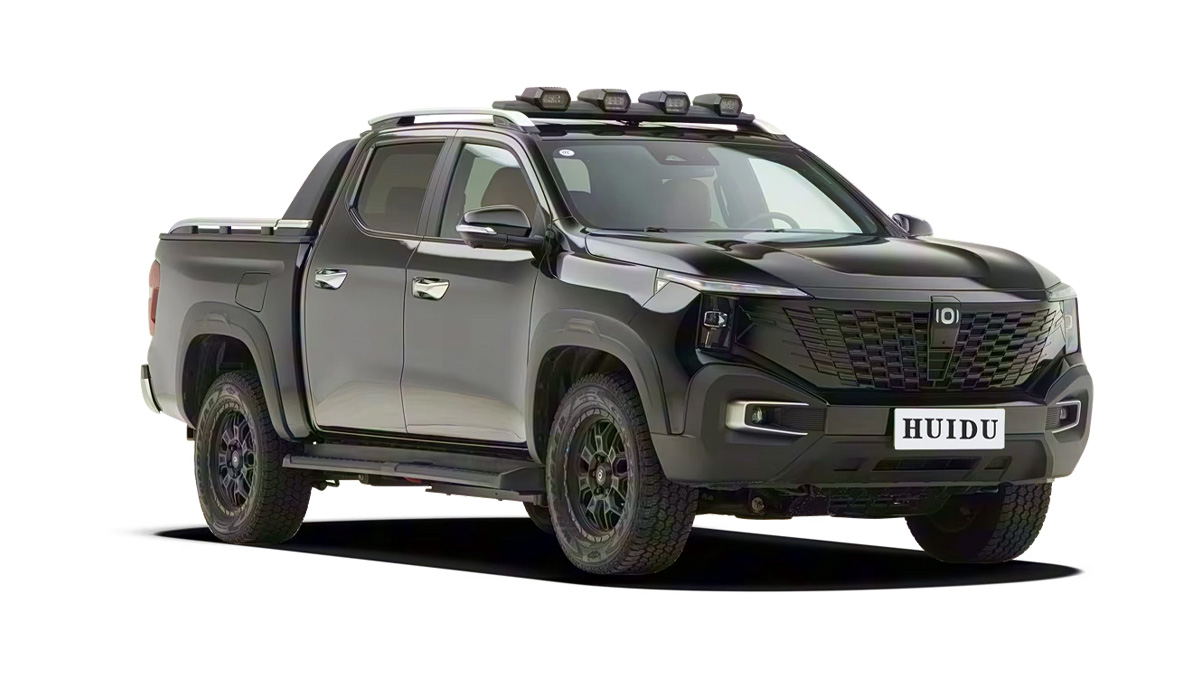
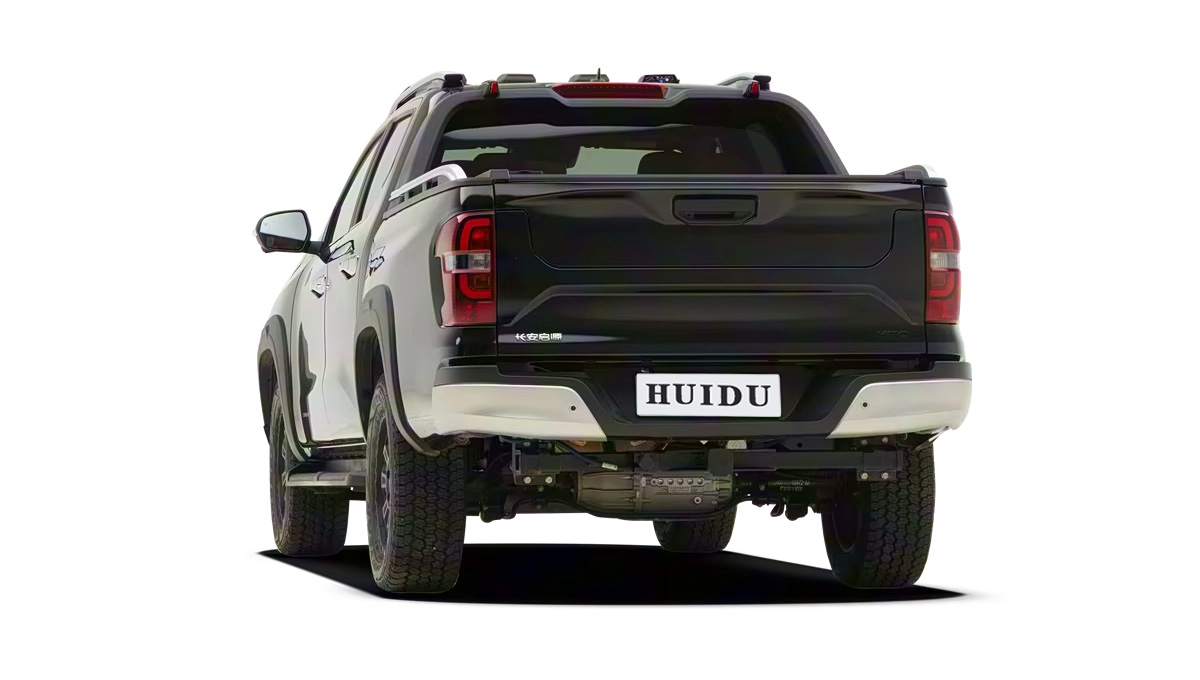
Traditionally, pickup trucks have been staunch defenders of utilitarian functionality and internal combustion engines. However, as the tide of new energy vehicles sweeps across all segments, the Changan Hunter K50—equipped with a unique range-extended electric powertrain—has launched a profoundly disruptive challenge to this conservative domain. At its core, it seeks to answer a pivotal question: Can a pickup truck retain robust payload capacity and off-road capability while simultaneously delivering the quietness, smoothness, and low operating costs characteristic of electric vehicles?
On the road, the Changan Hunter K50’s acceleration performance offers a resounding “yes.” Powered by a 2.0T Blue Whale range extender acting as a highly efficient onboard generator, and paired with dual front-and-rear electric motors, the system delivers a combined output of 200 kW and peak torque of 470 N·m.
Throttle response in the initial phase is immediate and linear, with massive torque available instantly—propelling the vehicle with surprising agility and completely shedding the sluggishness often associated with traditional fuel-powered pickups, especially under heavy loads. Power delivery is both substantial and sustained, instilling confidence whether navigating city streets or executing high-speed overtakes.
By contrast, the Great Wall Cannon’s 2.0T turbocharged gasoline engine produces a maximum output of 140 kW and peak torque of 360 N·m. While capable of strong bursts, its power must pass through a conventional transmission, resulting in a driving experience that—though mechanically engaging—is inherently less responsive and refined than an electric drivetrain. Under hard acceleration, engine roar and gearshifts create a visceral but comparatively noisy mechanical symphony. The two vehicles thus embody divergent philosophies: the Changan Hunter K50 represents an intelligent fusion of “electric-first, fuel-assisted” propulsion, whereas the Great Wall Cannon stands as a proven exemplar of pure, traditional combustion power.
The Changan Hunter K50’s standout advantage lies in its operational efficiency. It boasts over 100 km of pure-electric range under the CLTC standard—enabling cost-effective, zero-emission commuting for daily urban use. Its total combined range exceeds 1,000 km, eliminating range anxiety on long journeys. Meanwhile, the fuel-only Great Wall Cannon’s consumption varies significantly with load and road conditions, resulting in higher everyday running costs compared to the Changan Hunter K50’s range-extended mode.
Refueling flexibility further tilts the balance: the Changan Hunter K50 can be charged or refueled, offering unmatched versatility. The Great Wall Cannon, reliant solely on gas stations, retains an edge in remote regions where charging infrastructure remains sparse.
“The arrival of the Changan Hunter K50 isn’t merely a powertrain swap within the existing pickup paradigm—it redefines the very concept of an ‘efficient pickup’ by applying new energy logic to both workflow and user experience.”— Zhao Zhenyu, Analyst, Commercial Vehicles & New Energy
Inside the Changan Hunter K50’s cabin, the elevated seating position and expansive sightlines deliver the quintessential pickup feel. Yet the moment the vehicle glides away in pure-electric mode, expectations are upended: the cabin is remarkably quiet, disturbed only by a faint motor hum. Power is delivered without lag, and the 7-speed dual-clutch transmission operates so seamlessly it’s nearly imperceptible—matching the smoothness of premium EVs. Steering effort is well-weighted, and for a pickup, directional precision is commendable.
The suspension—a front double-wishbone setup paired with a rear solid axle featuring multi-link geometry and leaf springs—offers noticeably improved ride comfort when unladen, filtering road imperfections more delicately than conventional leaf-spring trucks. That said, rear-axle bounce persists, a structural trait inherent to work-oriented pickups.
The Great Wall Cannon, by comparison, leans closer to a premium SUV in its driving character. Its suspension tuning prioritizes comfort, and on paved roads, its ride quality and cabin refinement once earned it the moniker “the ceiling of Chinese pickups.” Still, engine noise and vibration remain audible once the combustion engine engages—an unavoidable signature of internal combustion.
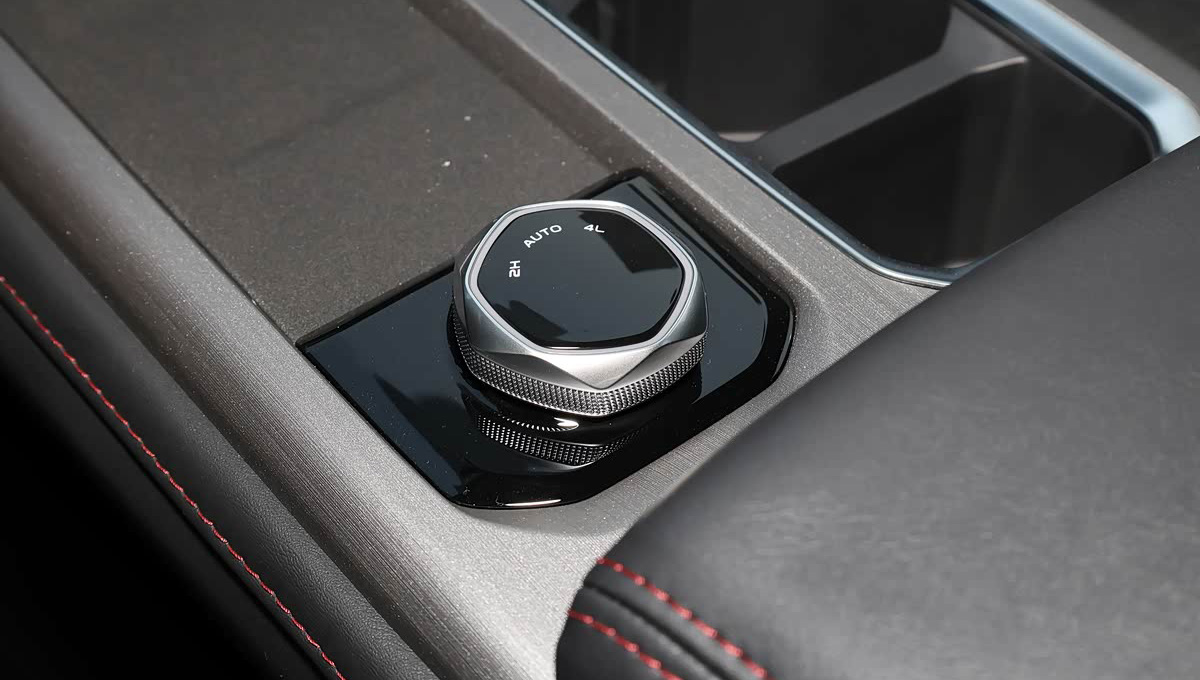
The Changan Hunter K50 features an intelligent electrically controlled AWD system with multiple drive modes. Electric motors’ instantaneous torque delivery grants a natural advantage in climbing and off-road recovery, responding far quicker than mechanical AWD systems. With approach and departure angles, along with ground clearance, meeting professional off-road standards, the Changan Hunter K50 excels on unpaved terrain. Its rear leaf springs also enable a rated payload capacity of 1,100 kg—underscoring its utilitarian credentials.
The Great Wall Cannon matches these geometric capabilities and offers formidable off-road variants. Its part-time or intelligent AWD systems, honed over years in the market, are renowned for reliability and traction performance. In extreme off-roading, the two are closely matched: the Changan Hunter K50 excels in torque control and responsiveness, while the Cannon leads in mechanical ruggedness and a mature aftermarket modification culture.
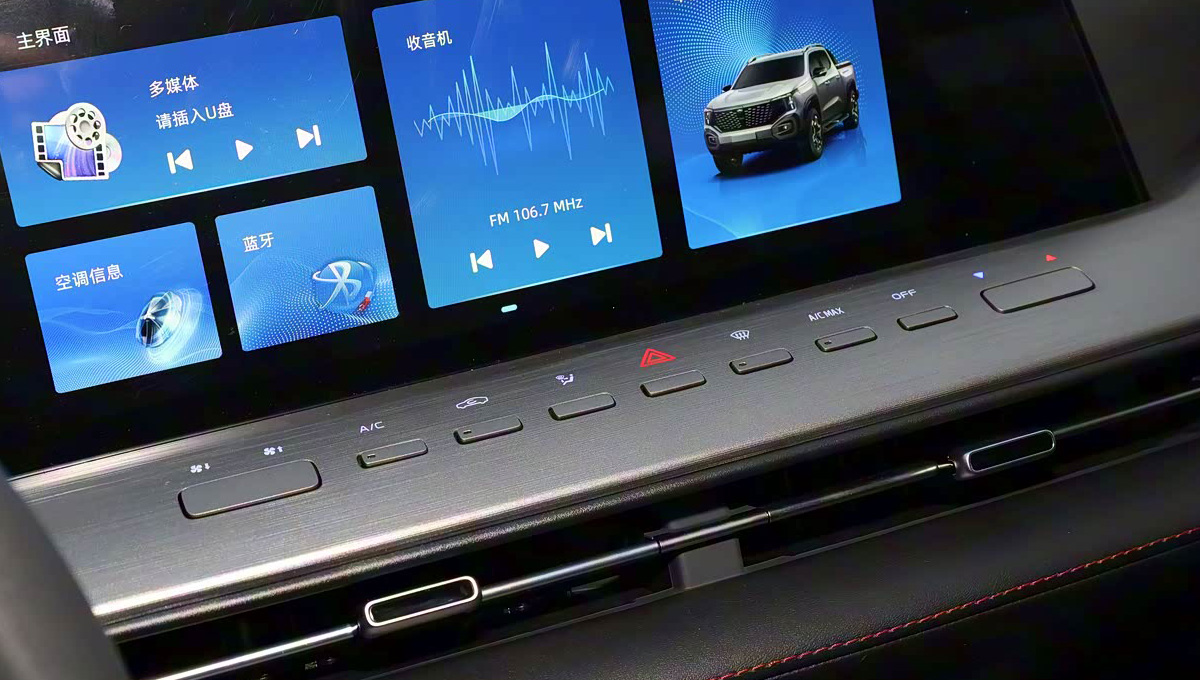
The Changan Hunter K50 decisively abandons the utilitarian roughness of traditional work trucks, embracing a passenger-car-like, tech-forward interior. The dashboard features soft-touch materials, stitched accents, and a clean layout. A 12.3-inch floating infotainment screen and a fully digital instrument cluster anchor the cockpit, running a feature-rich system with online navigation, voice control, and smartphone app integration—including remote vehicle functions. Higher trims even offer Level 2 ADAS, including adaptive cruise control and lane-keeping assist, significantly reducing driver fatigue on long hauls.
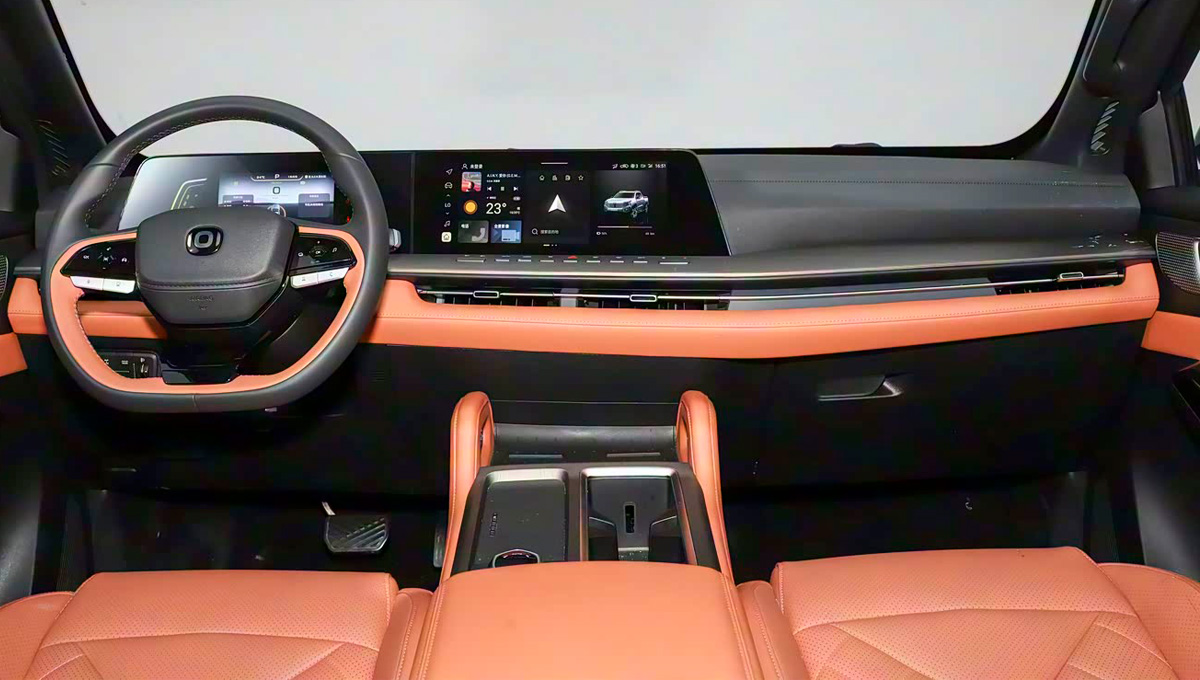
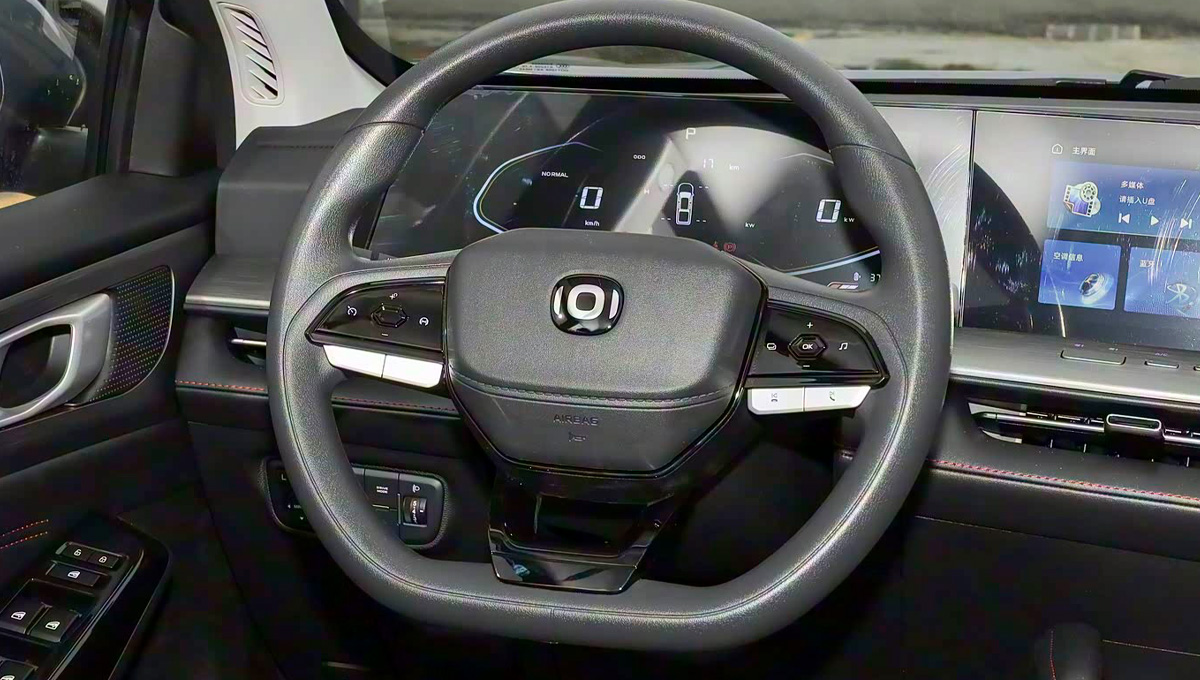
The Great Wall Cannon pioneered this “passenger-ization” trend in China’s pickup segment, setting benchmarks in design, materials, and equipment. Its latest models also include large displays and connected services. Both vehicles vastly outpace legacy pickups in refinement and tech—but as a newer entrant, the Changan Hunter K50 pushes further with larger screens, more modern UI design, and deeper smart-feature integration. The Cannon’s strength lies in its ergonomics, refined through years of real-world feedback.
A unique differentiator: the Changan Hunter K50’s V2L (Vehicle-to-Load) capability delivers up to 3.3 kW of external power—transforming the truck into a mobile power station for tools, lighting, or even cooking appliances during camping or emergency operations. While some new-energy variants of the Great Wall Cannon offer similar functionality, its gasoline models do not.
“The Changan Hunter K50’s cabin blurs the line between workhorse and lifestyle companion. That central screen isn’t just for entertainment—it’s a platform enabling a new outdoor work-and-play paradigm.”— Sun Lei, Editor-in-Chief, Wildlife, Outdoor Lifestyle Media
As a pickup, utility remains paramount. The Changan Hunter K50 features a standard-sized cargo bed with a durable spray-in liner, tie-down cleats, and a factory-installed bedliner (“cargo box protector”). Its high payload rating and towing certification make it well-suited for freight transport or recreational trailer hauling. Interior storage is thoughtfully designed for everyday needs.
The Great Wall Cannon remains a benchmark here too, with comparable bed dimensions and payload capacity. Crucially, it benefits from an exceptionally mature ecosystem of OEM and aftermarket accessories—flatbed conversions, tonneau covers, canopy tops—allowing deep personalization. This extensive modularity is a clear advantage earned through market leadership.Both offer spacious double-cab layouts accommodating five adults comfortably, with generous rear legroom. The Changan Hunter K50’s newer E/E architecture may afford slight gains in interior packaging efficiency.
Priced squarely in the mainstream mid-to-high-end pickup segment, the Changan Hunter K50’s value proposition centers on a unique triad: new-energy driving dynamics + traditional pickup utility + intelligent cabin tech. It targets entrepreneurs, outdoor enthusiasts, and commercial users who prioritize low operating costs, frequent urban-to-wilderness transitions, and digital convenience.The Great Wall Cannon, meanwhile, spans an exceptionally broad price and specification spectrum—from basic commercial models to luxury and hardcore off-road variants. Its core strengths are brand authority as the “category king,” unparalleled product depth, and a vast service and customization ecosystem. It serves everyone—from fleet operators to weekend adventurers.
Thus, their rivalry embodies a clash between a new-energy technology disruptor and a traditional category ecosystem builder: the Changan Hunter K50 carves a new path with innovation, while the Great Wall Cannon defends its throne with comprehensive, battle-tested dominance.
1. What kind of pickup is the Changan Hunter K50?
The Changan Hunter K50 is Changan’s first range-extended electric pickup. It combines a Blue Whale 2.0T range extender with dual-motor electric drive, merging EV-like driving refinement and low running costs with the range assurance of a gasoline engine. It is positioned as a “high-efficiency, intelligent, multi-functional” new-energy pickup.
2. What are the Changan Hunter K50’s key competitive advantages?
Its range-extended powertrain delivers:
① Electric-drive smoothness, silence, and instant response;
② Ultra-low urban operating costs via pure-electric mode, plus unlimited range on longer trips;
③ A powerful 3.3 kW V2L function for outdoor power supply.
Additionally, it maintains standard pickup payload, off-road capability, and a state-of-the-art smart cockpit.
3. How does it perform when fully loaded or running low on battery?
The dual-motor setup ensures ample low-end torque, enabling strong hill-climbing even at full payload. When battery levels are low, the range extender activates to generate electricity, prioritizing drive power. Thus, unlike pure EVs, the Changan Hunter K50 experiences minimal power degradation in “low-battery” mode—maintaining normal driving and climbing ability, though fuel consumption increases and NVH is slightly less refined than in electric-only operation.
Advanced Search
Recommended Models
Geely-Galaxy-Geely Galaxy M7
Updated: May,28,2026

Mazda-Mazda EZ-60
Updated: Mar,02,2026

GAC Trumpchi-Trumpchi ES9
Updated: Feb,26,2026
Related News
A pioneering creation in the new energ...
Nov,05,2025
Geely Galaxy M9: Reshaping the Large S...
Nov,06,2025
All trims of the Tang L DM are equippe...
Nov,05,2025
What are your thoughts on this car?
* Required Fields