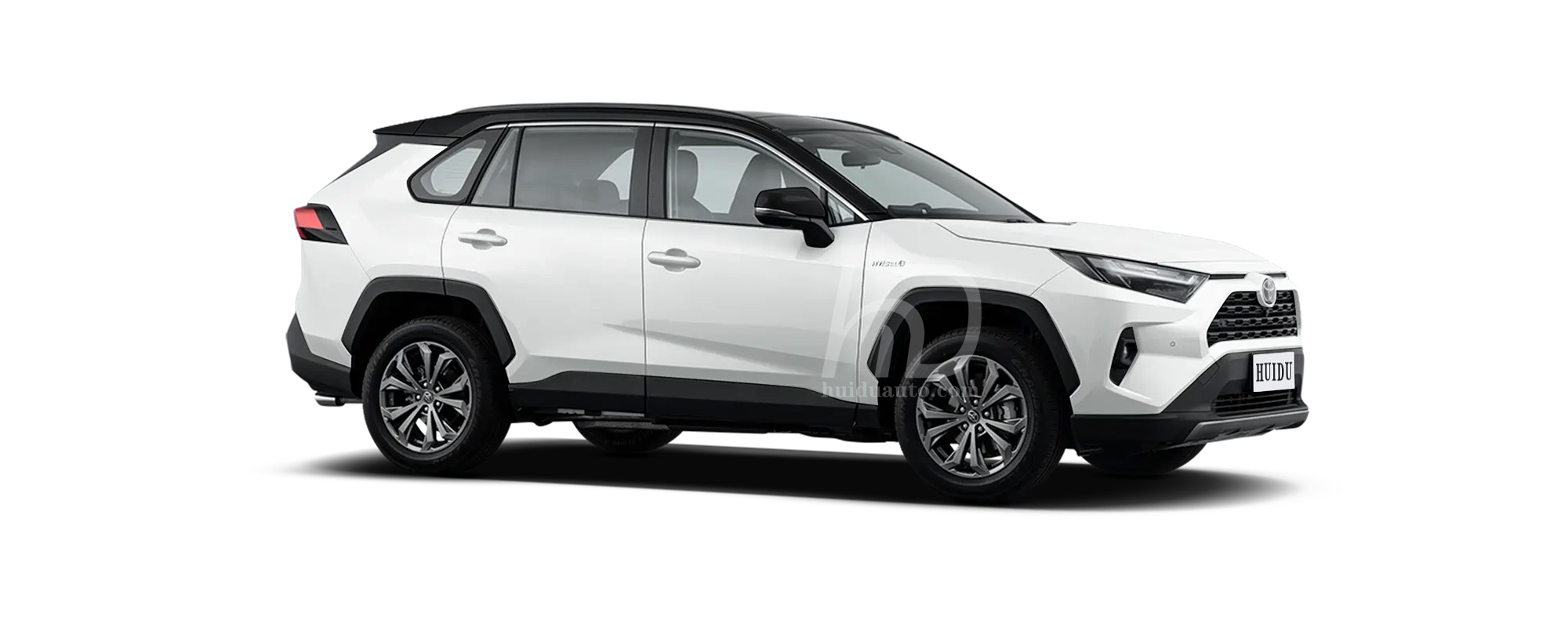
Toyota RAV4
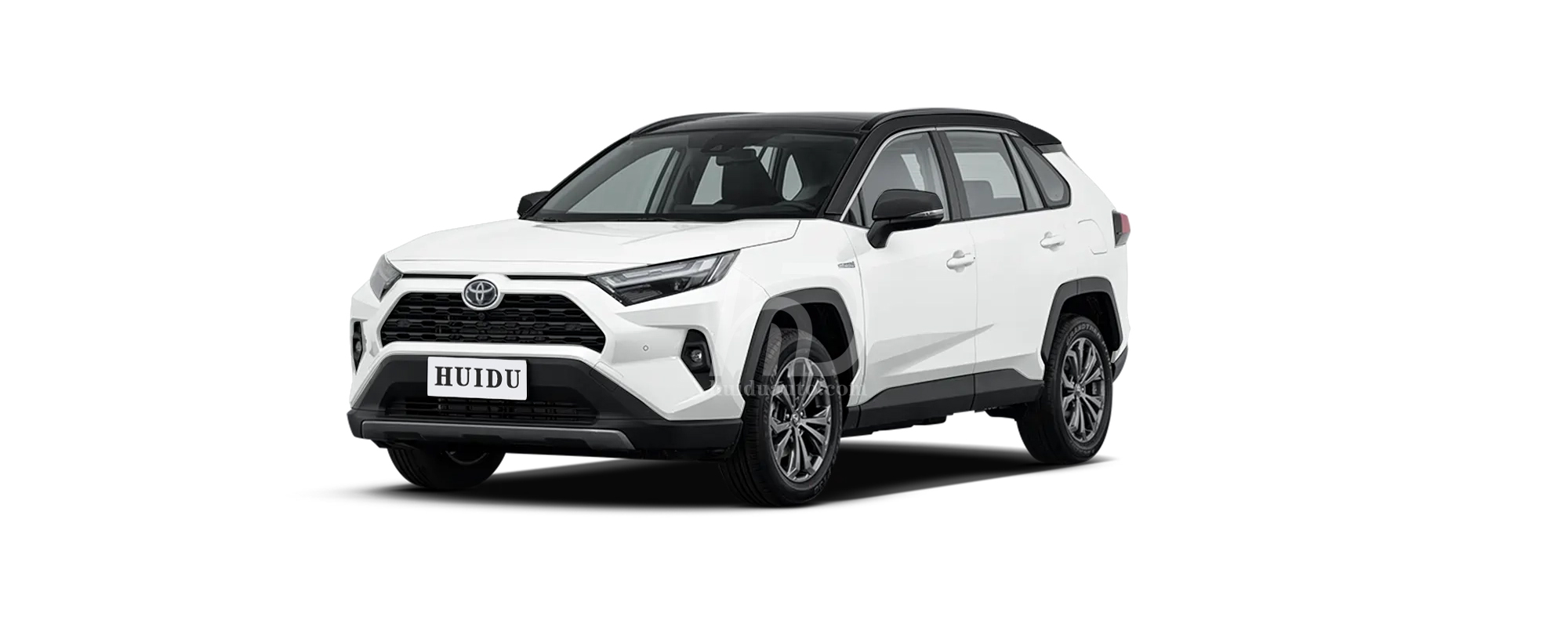
Conventional wisdom has long associated SUVs with high fuel consumption and elevated emissions, often casting them as significant contributors to environmental strain. However, market realities are steadily challenging this entrenched perception. Take the Toyota RAV4—a globally popular compact SUV—as a case in point: its real-world CO₂ emissions now fall below those of certain conventional small petrol cars, demonstrating that, with advanced hybrid technology, SUVs can indeed be part of a sustainable mobility future.
This notable environmental performance stems primarily from the Toyota RAV4’s plug-in hybrid electric powertrain. By intelligently managing energy flow between its internal combustion engine and electric motors, the system achieves exceptional fuel efficiency, positioning the Toyota RAV4 among the most energy-efficient family SUVs on the market today. Official data further corroborates its leading role in emissions reduction and energy conservation.
In recent years, the Toyota RAV4 lineup has undergone continuous evolution, with significant updates to both technology and model variants:
May 2025: Toyota unveiled a refreshed version of the RAV4. While retaining the current vehicle dimensions, the new model features a comprehensively redesigned interior and debuts Toyota’s next-generation infotainment system. Customer test drives are expected to begin in early 2026.
October 2023: To cater to diverse consumer preferences, Toyota introduced the GR Sport trim. This variant adds sportier exterior styling, 19-inch alloy wheels, and bolstered power-adjustable sport seats for enhanced driving dynamics.
June 2022: The entire Toyota RAV4 range received a major upgrade, standardizing a new infotainment platform, customizable digital instrument cluster, and an expanded suite of advanced driver-assistance systems—significantly boosting its competitiveness.
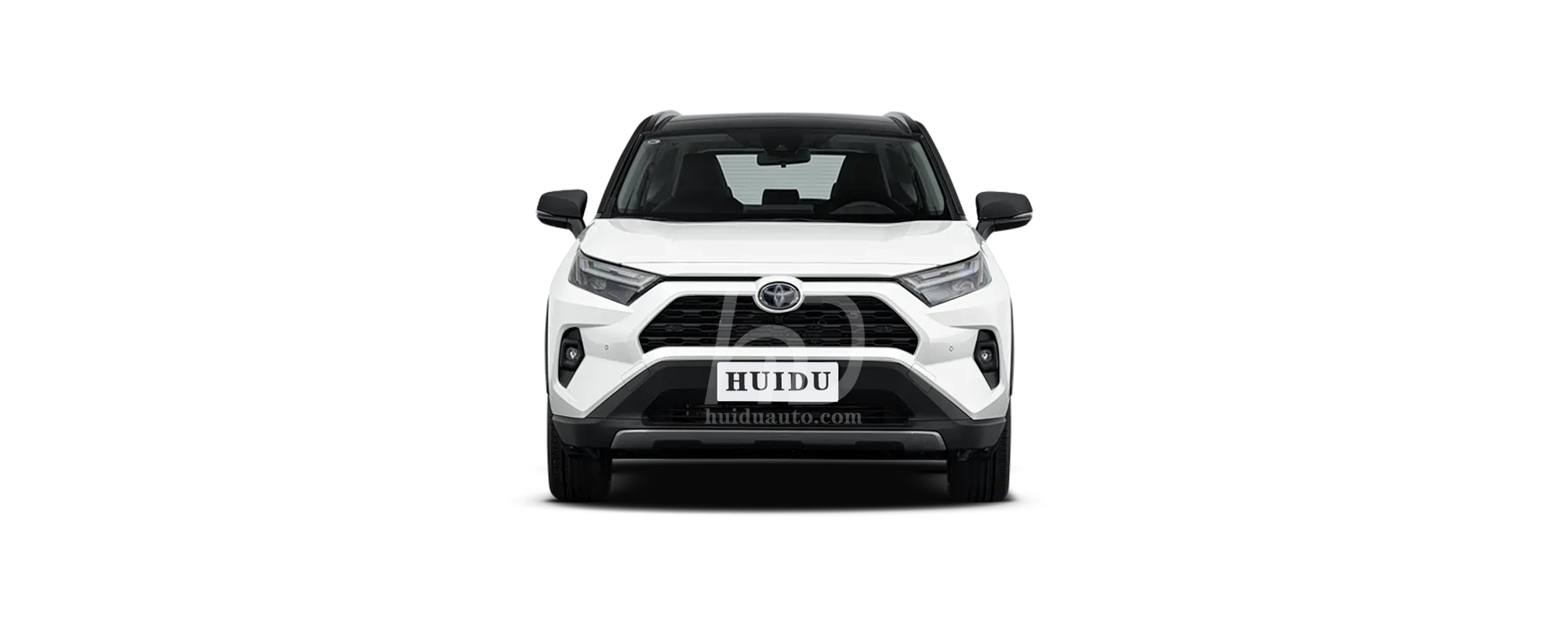
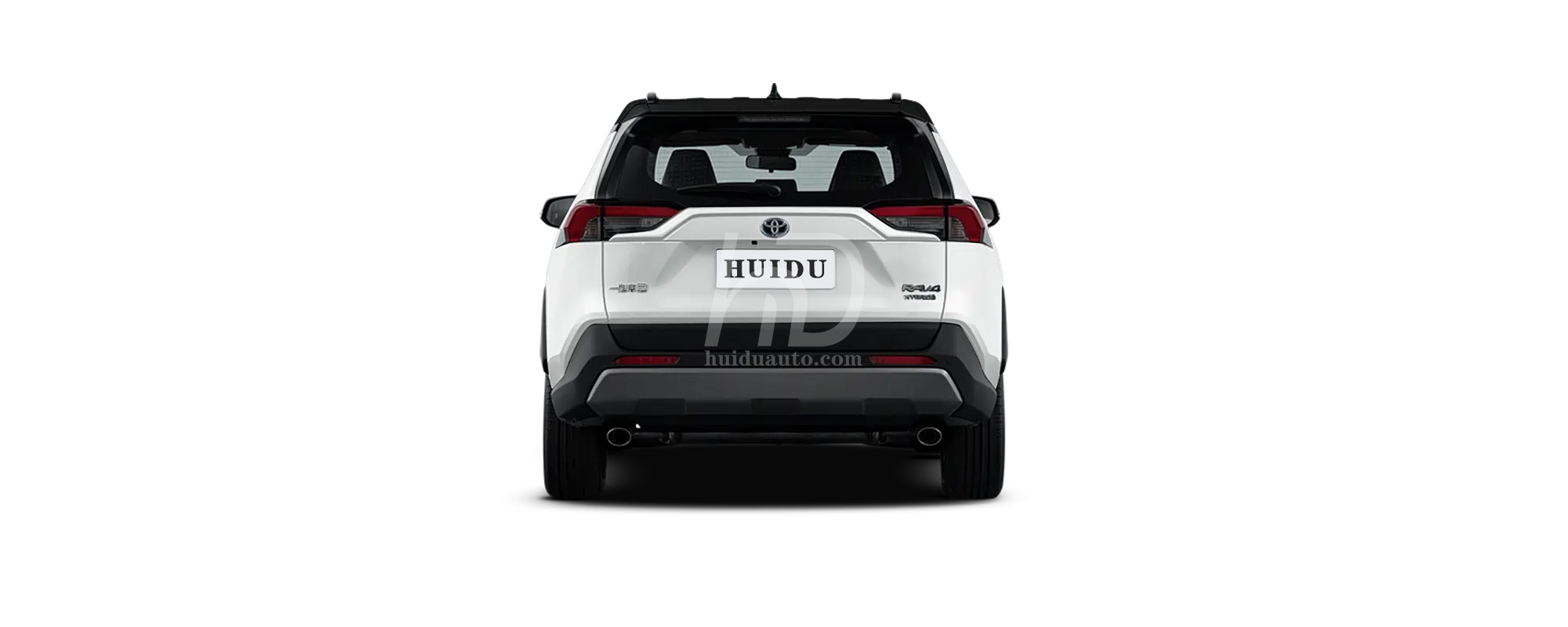
The Toyota RAV4 exemplifies how a vehicle’s environmental impact is not dictated by body style alone but by the underlying powertrain strategy. As electrification deepens across the automotive sector, the SUV segment is undergoing a profound green transformation.
The Toyota RAV4 Plug-in Hybrid (PHEV) stands out in the family SUV segment by offering a compelling blend of performance and efficiency. Its powertrain combines a 2.5-liter gasoline engine with front and rear electric motors to form an electronic all-wheel-drive system, delivering a combined output of 302 horsepower. This enables an official 0–62 mph acceleration time of just 6.0 seconds—impressive for a mainstream SUV.
A key highlight is its robust all-electric capability. The battery pack supports highway-speed cruising, and real-world mixed-condition testing shows an electric-only range exceeding 30 miles. Toyota’s official figure is even more optimistic, claiming up to 46 miles of pure-electric range—sufficient to cover most daily commutes with zero tailpipe emissions.
In urban environments, the Toyota RAV4 offers light steering, agile handling, well-controlled body roll, and effective filtering of minor road imperfections, ensuring comfort and ease during city driving.On rough roads or at higher speeds, however, the suspension struggles to absorb larger impacts smoothly, resulting in noticeable jolts. At motorway speeds, chassis stability diminishes slightly, and cornering grip and agility become more subdued.The presence of a large underfloor battery pack inevitably compromises the PHEV’s agility compared to conventional SUVs. Nevertheless, it still delivers greater driver confidence and stability than many rivals in its class.
Overall, the Toyota RAV4 Plug-in Hybrid strikes a thoughtful balance between strong acceleration and practical electric range. Its chassis tuning prioritizes everyday usability and urban comfort over sportiness—a strategic choice that reinforces its appeal in the family-oriented hybrid SUV market.
Even the standard hybrid variants showcase distinct engineering trade-offs. Under hard acceleration, the gasoline engine quickly revs high and remains audible even after throttle lift-off—a consequence of the power-split device and CVT transmission logic. This results in a coarse engine note and perceptible vibrations transmitted through the floor and pedals, slightly undermining ride refinement and cabin quietness. Road and wind noise suppression also lags behind some key competitors, particularly noticeable during highway cruising. In contrast, low-speed EV mode offers a serene, near-silent experience with the engine off.
Regenerative braking efficiently recaptures energy during deceleration. However, when mechanical brakes engage, pedal feel can be abrupt and inconsistent, requiring drivers to adapt for smoother stops.
Inside, the Toyota RAV4 emphasizes practicality and user-friendly ergonomics. The driver’s seat comes standard with power adjustment and lumbar support; the GR Sport trim adds memory functions for personalized settings. The elevated seating position provides excellent forward visibility, aided by slim A-pillars that minimize blind spots at intersections. The wide windshield and side windows further enhance the sense of openness.
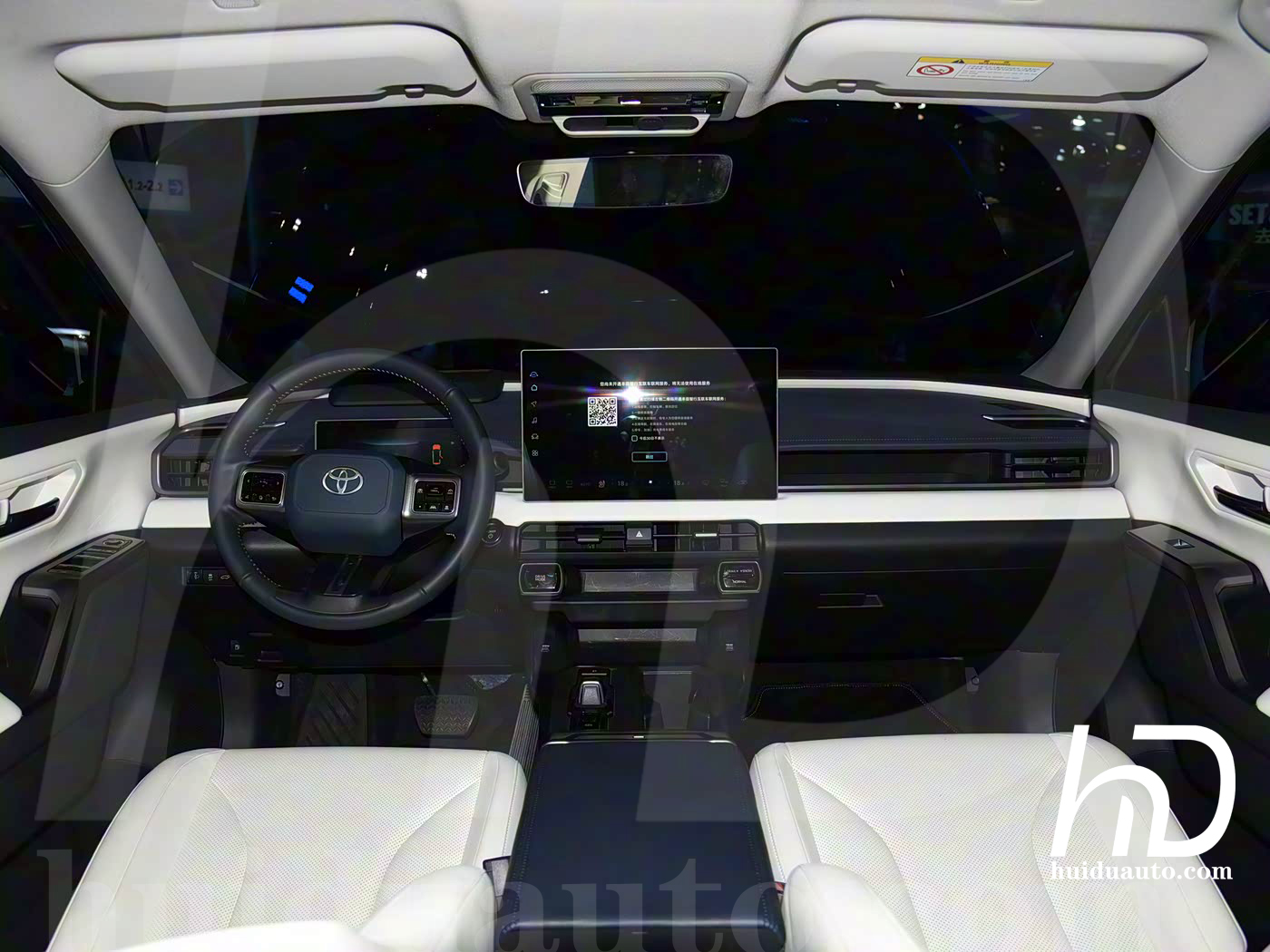
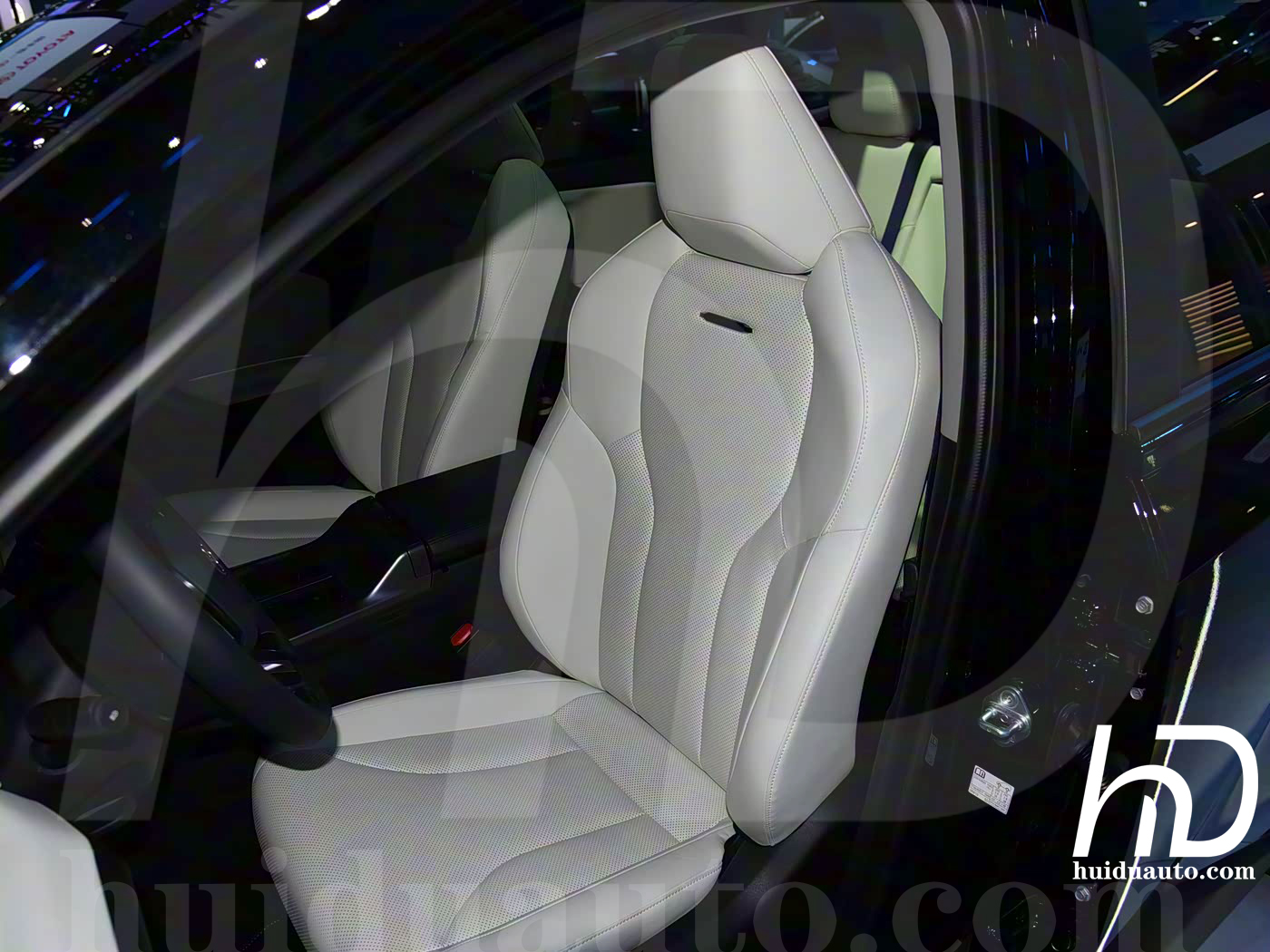
While rear quarter visibility is acceptable, thick C-pillars significantly obstruct the rear view during reversing maneuvers. To compensate, Toyota includes front and rear parking sensors and a rearview camera as standard across all trims. LED headlights are also standard, while a 360-degree surround-view camera is available as an upgrade on higher-spec models.
The cabin design reflects a clear utilitarian ethos—delivering solid fundamentals in controls, visibility, and parking aids—but makes deliberate compromises in visual flair and configurability.In an era where smart cockpits define competitiveness, the Toyota RAV4’s multimedia system offers reliable functionality but falls short in user experience and premium feel compared to some rivals. The standard 10.5-inch touchscreen is thoughtfully positioned atop the center stack for easy glanceability, yet its touch response and menu layout—featuring small icons and suboptimal hierarchy—can hinder usability while driving.
On a positive note, Apple CarPlay and Android Auto are standard across the board, allowing users to bypass the native interface in favor of familiar smartphone ecosystems—a practical workaround that mitigates the system’s limitations. All models include built-in satellite navigation and four USB ports, though wireless charging and the optional nine-speaker JBL premium audio system are reserved for GR Sport and other high-end trims.
Material quality aligns with the Toyota RAV4’s rugged SUV identity. Frequently touched upper surfaces use visually appealing soft-touch materials, while functional elements like climate knobs and door handles feature durable rubberized finishes that convey toughness. That said, rivals often employ more extensive soft padding and sophisticated design cues to create a more upscale ambiance.As a family-focused SUV, the Toyota RAV4 excels in space and practicality. Front occupants enjoy generous headroom and legroom, with ample shoulder width for comfort. Storage solutions abound: a deep center console, multiple cupholders, a handy tray atop the dashboard, and door pockets capable of holding standard 500ml water bottles.
Rear-seat space is a particular strength, offering class-leading head and legroom that prevents fatigue on long journeys. The 60/40-split folding rear bench features adjustable seatbacks, though the lack of a trunk-mounted release lever means users must access the seats from inside the cabin—a minor inconvenience when loading bulky items.With the rear seats upright, the cargo area offers 490 liters of volume—enough to fit eight standard carry-on suitcases. When folded flat (though not perfectly level), it accommodates larger items with ease. A hidden under-floor compartment neatly stores the charging cable and other essentials, maintaining cargo-area tidiness.
Toyota’s trim strategy follows a “well-equipped base model” philosophy. Even the entry-level Design grade includes a comprehensive suite of features: adaptive cruise control, dual-zone automatic climate control, 18-inch alloy wheels, heated front and outer rear seats, auto-dimming rearview mirror, automatic headlights, rain-sensing wipers, power-folding mirrors, and rear privacy glass—covering core needs in comfort and convenience.
The top-tier GR Sport adds a rear center armrest, partial leather upholstery, 19-inch wheels, and aggressive front/rear bumpers for a sportier aesthetic—at a notably higher price.Safety is uncompromised: every RAV4 comes standard with Toyota Safety Sense, featuring automatic emergency braking (with pedestrian and cyclist detection), traffic sign recognition, lane-keeping assist, and a driver attention monitor.
For pragmatic buyers, the Design trim represents exceptional value, offering a highly competitive specification at an accessible price point. The GR Sport’s enhancements are largely cosmetic and sensory; whether its premium is justified depends on individual preference.
Frequently Asked Questions:
1.What is the fuel economy of the Toyota RAV4?
The latest-generation RAV4 offers three powertrain options with markedly different efficiency profiles:
2.0L Petrol: Naturally aspirated engine with a combined fuel consumption of 6.29 L/100 km.
2.0L Hybrid (Dual Engine): The newly introduced mainstream hybrid achieves a combined 4.59 L/100 km, with some reports citing as low as 3.99 L/100 km—comparable to compact sedans.
2.5L Hybrid (Dual Engine): Delivering 237 hp and E-Four electronic AWD, it maintains a commendable 4.91 L/100 km.
2.What is the Toyota RAV4 called in China?
In China, the RAV4 is produced and sold by FAW Toyota under the official Chinese name “RAV4 Rongfang”. This naming convention was adopted in 2016 during the mid-cycle refresh to better resonate with local consumers. The full product designation is “FAW Toyota RAV4 Rongfang.”
3.How much does the Toyota RAV4 cost?
The current sixth-generation (2026 model year) RAV4 Rongfang is priced as follows:Official MSRP: RMB 169,800 – 228,800 Limited-Time Discount (valid until January 9, 2026): RMB 18,000 cash rebate, bringing the effective price down to RMB 151,800 – 210,800 Additional incentives include a RMB 6,000 purchase tax subsidy and other regional promotions.
For copyright-related inquiries, please contact us.Partial content is sourced from What Car?.